















Skip links

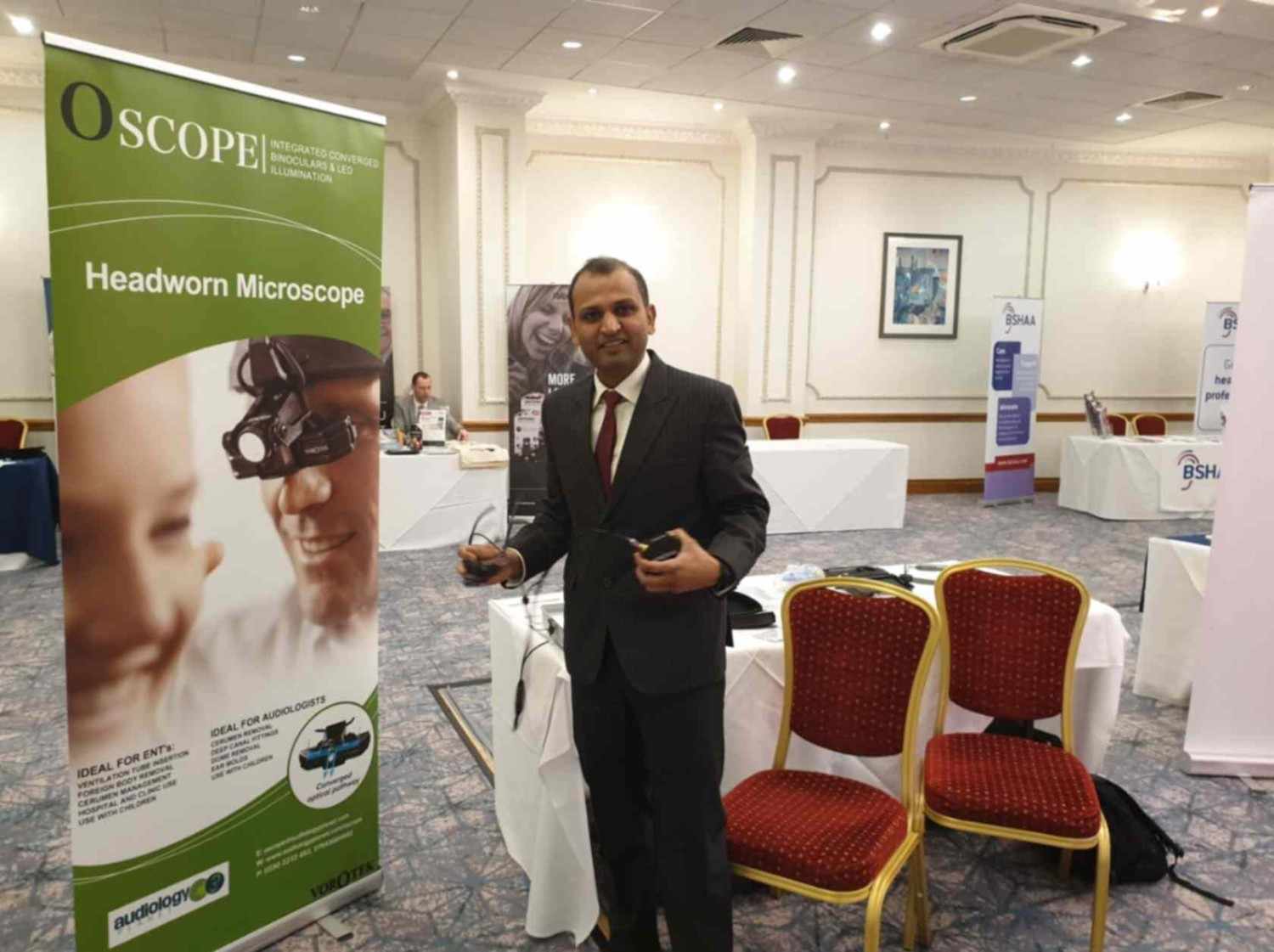
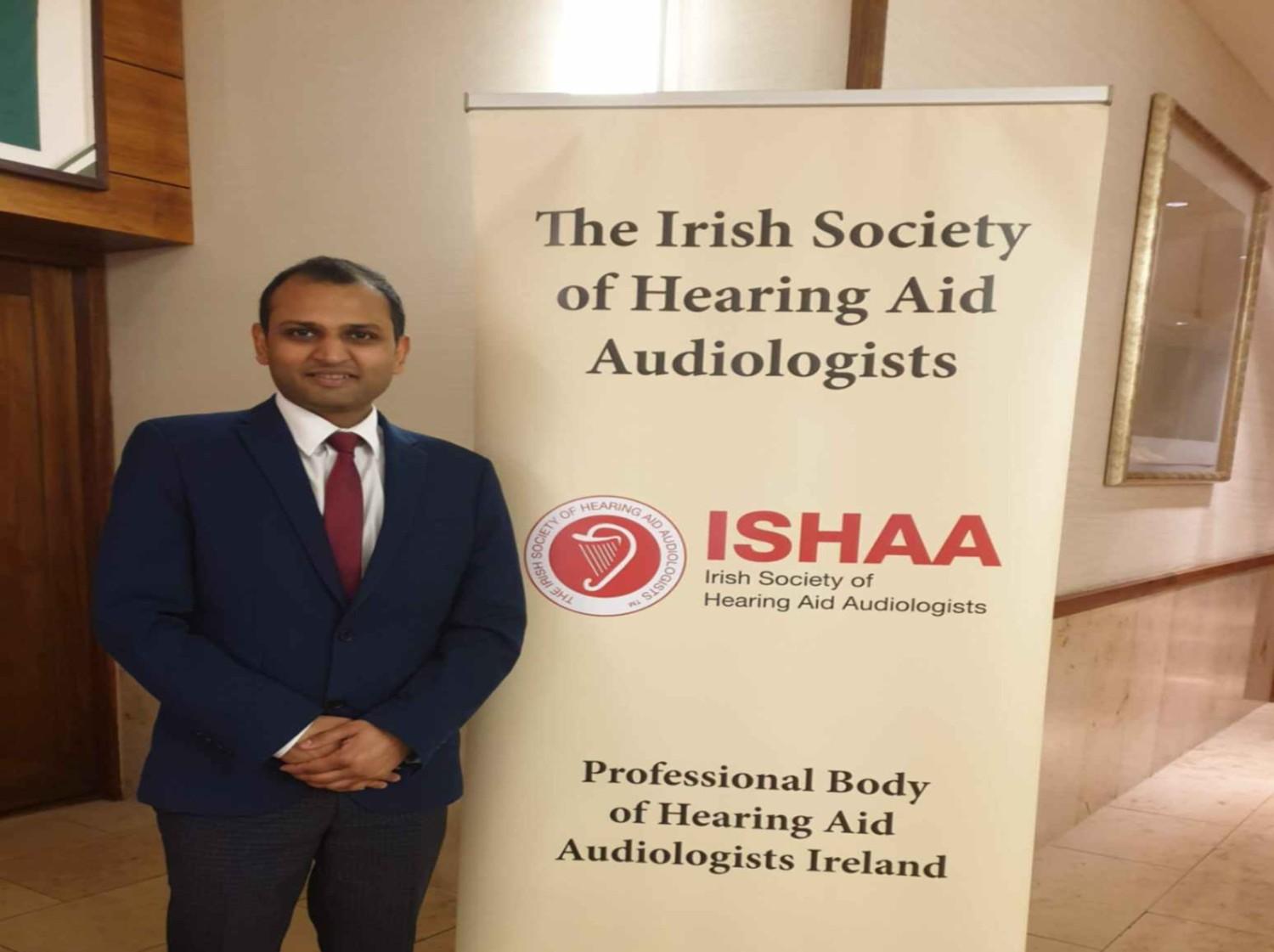
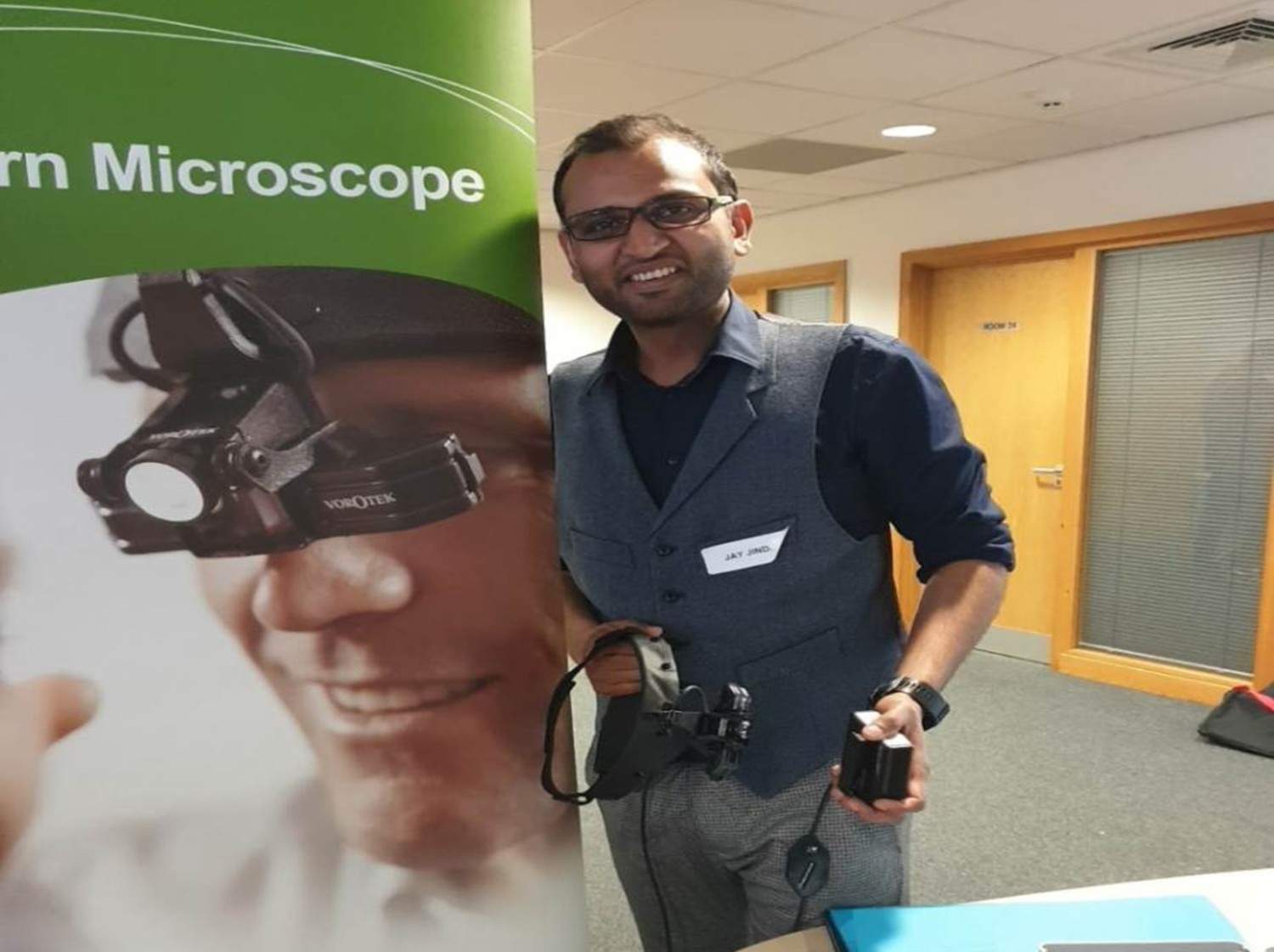
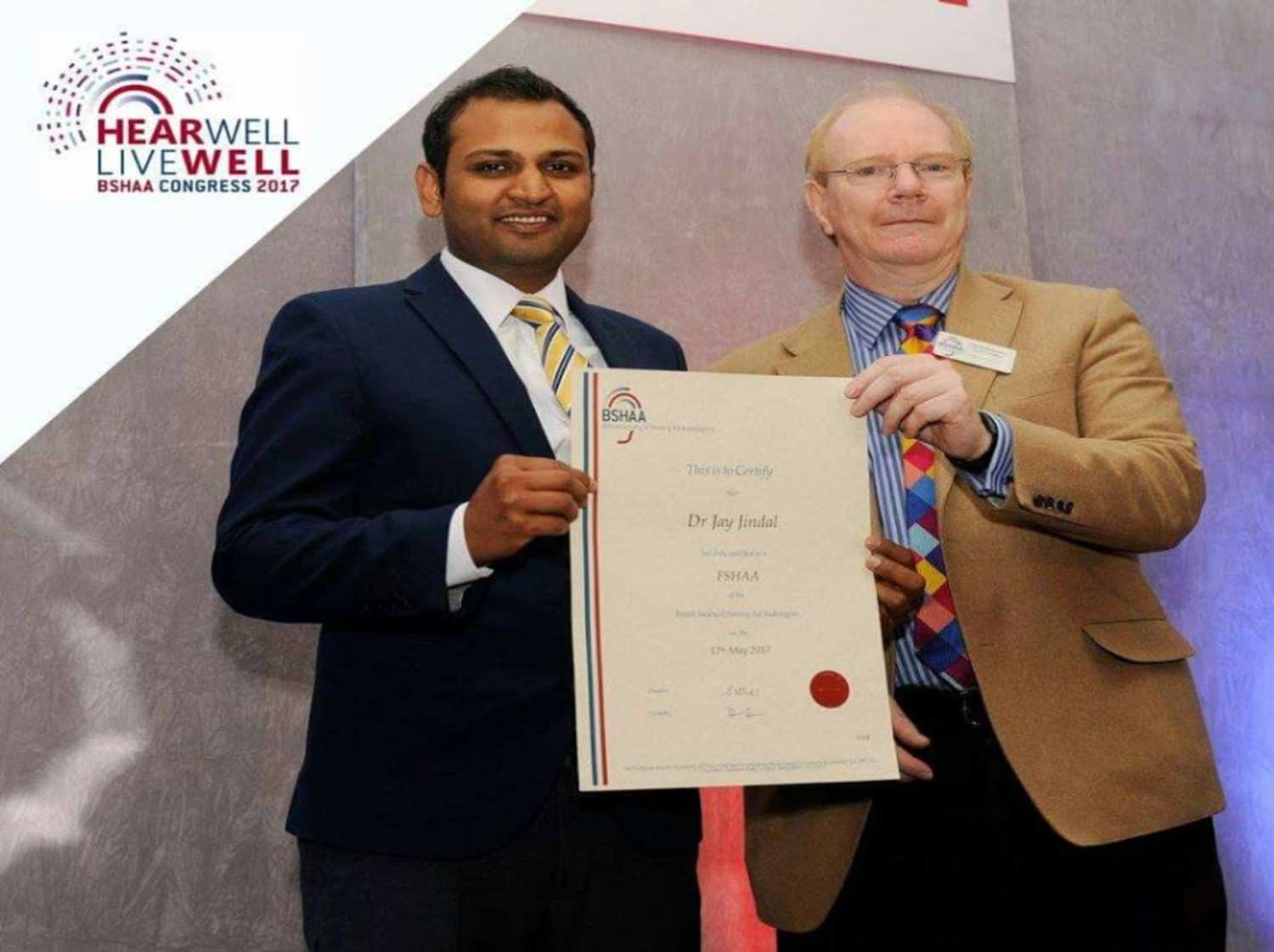
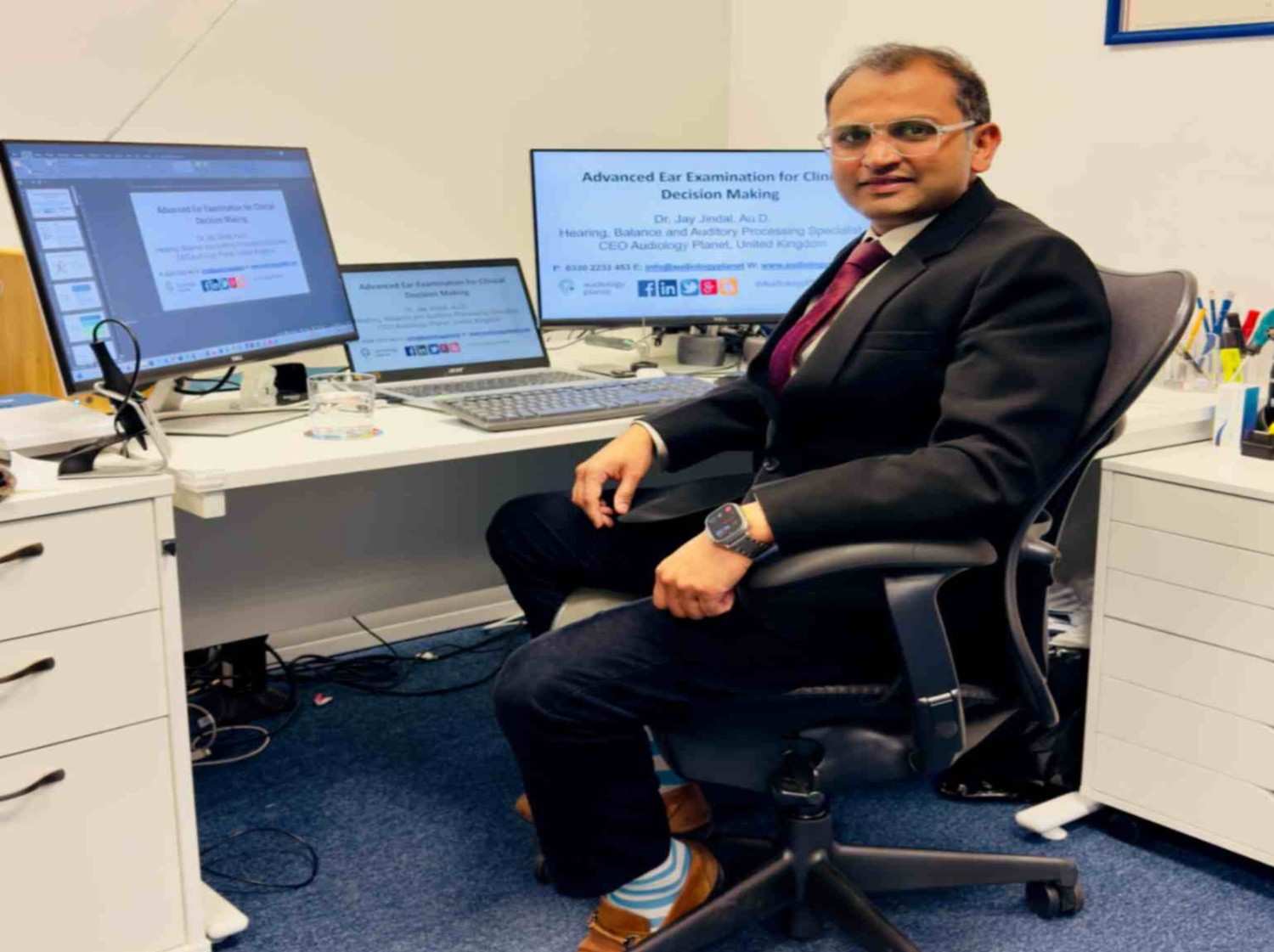
Dr. Jay Jindal (Au.D. FSHAA, Consultant Audiologist)

About Dr. Jay Jindal

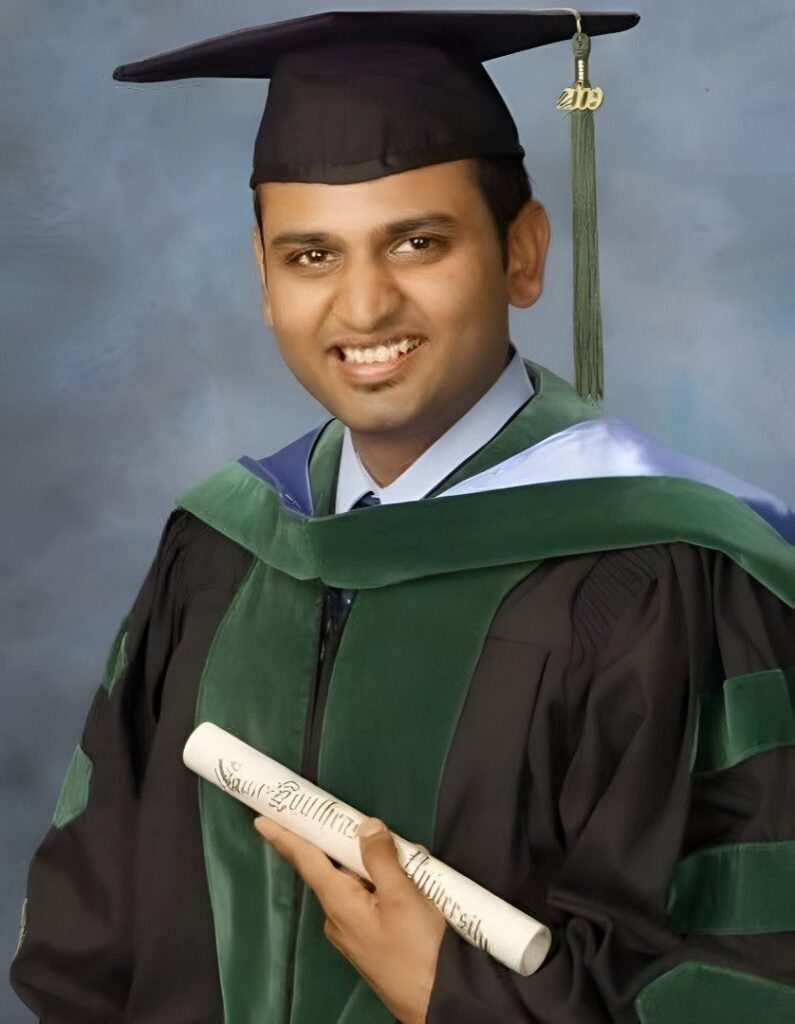
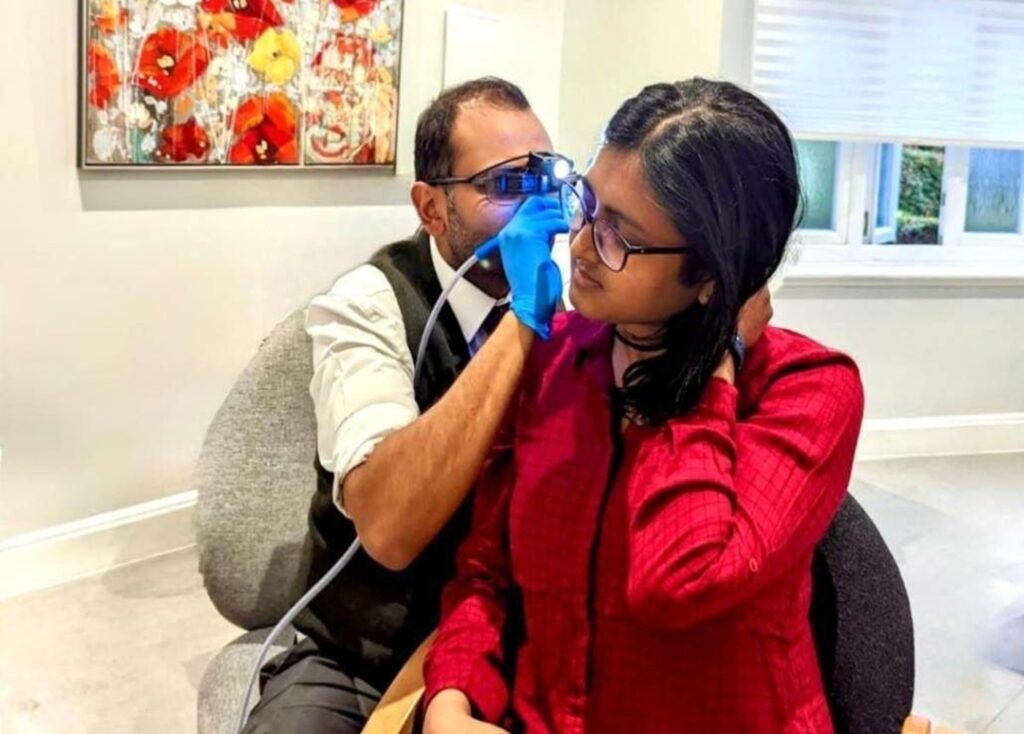
Dr. Jay Jindal is a highly experienced consultant audiologist with a doctorate in audiology and over 20 years of clinical practice across both the NHS and private sectors. Having seen over 15000 patients in his clinics, he has extensive expertise in comprehensive ear care, vestibular and balance disorders, and paediatric audiology, including advanced behavioral and electrophysiological assessment of babies and toddlers.

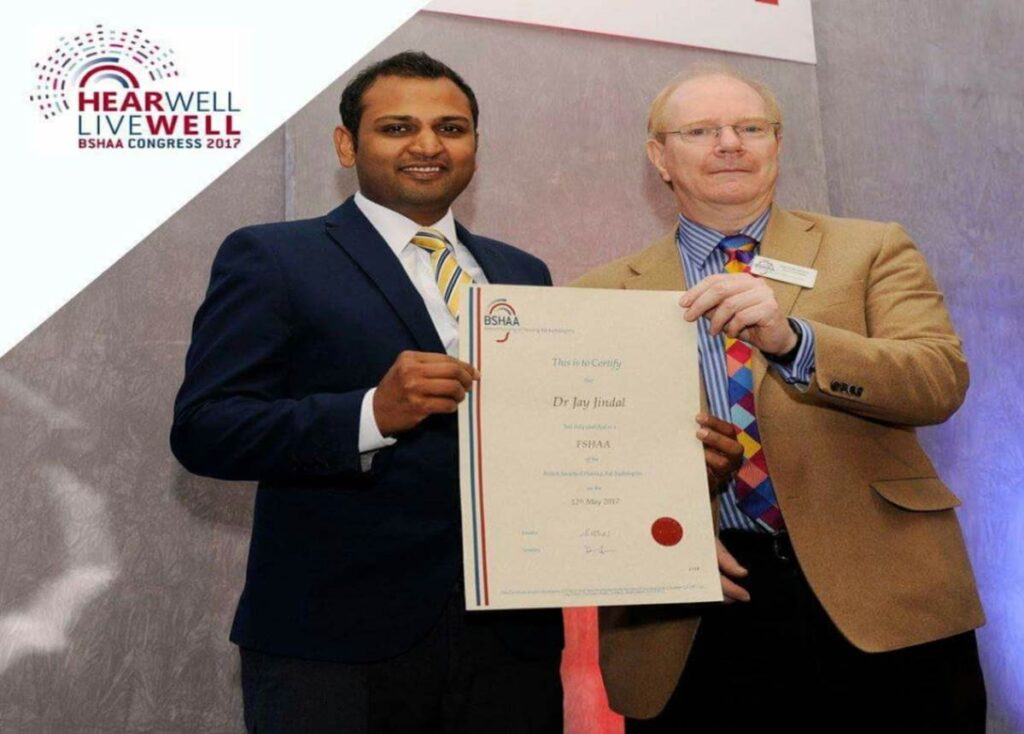
Dr Jindal brings significant leadership, strategic, and governance experience, having successfully led an NHS audiology department and being on Council for a UK professional body of audiologists. His leadership has contributed to the delivery of high-quality, patient-centred services and the development of robust clinical pathways.

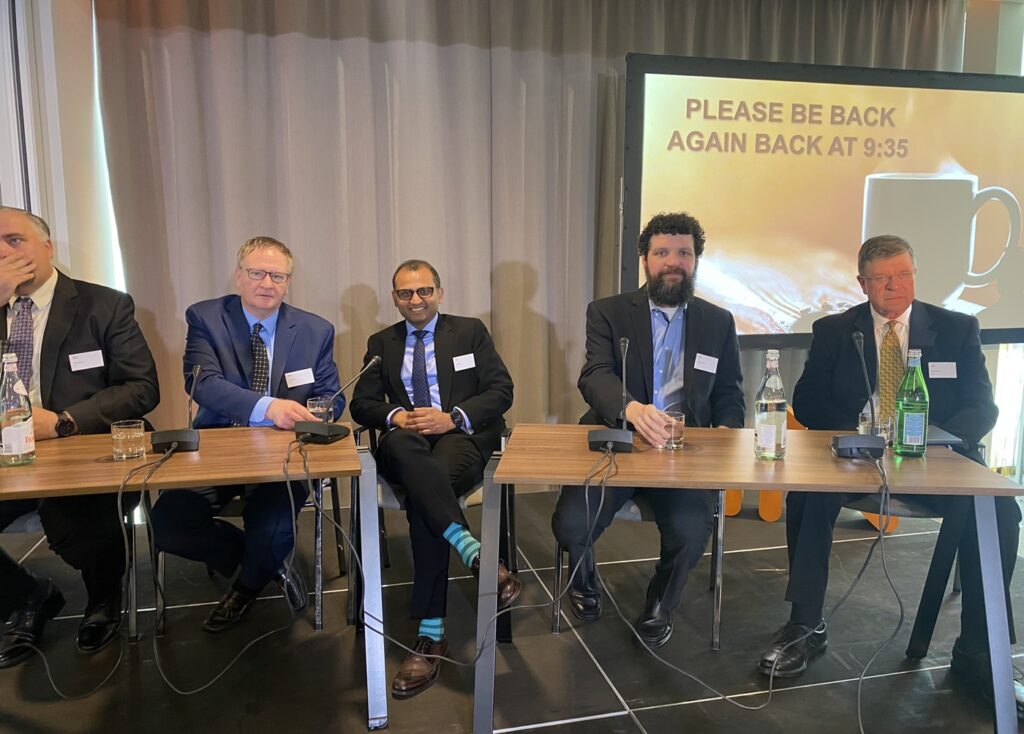
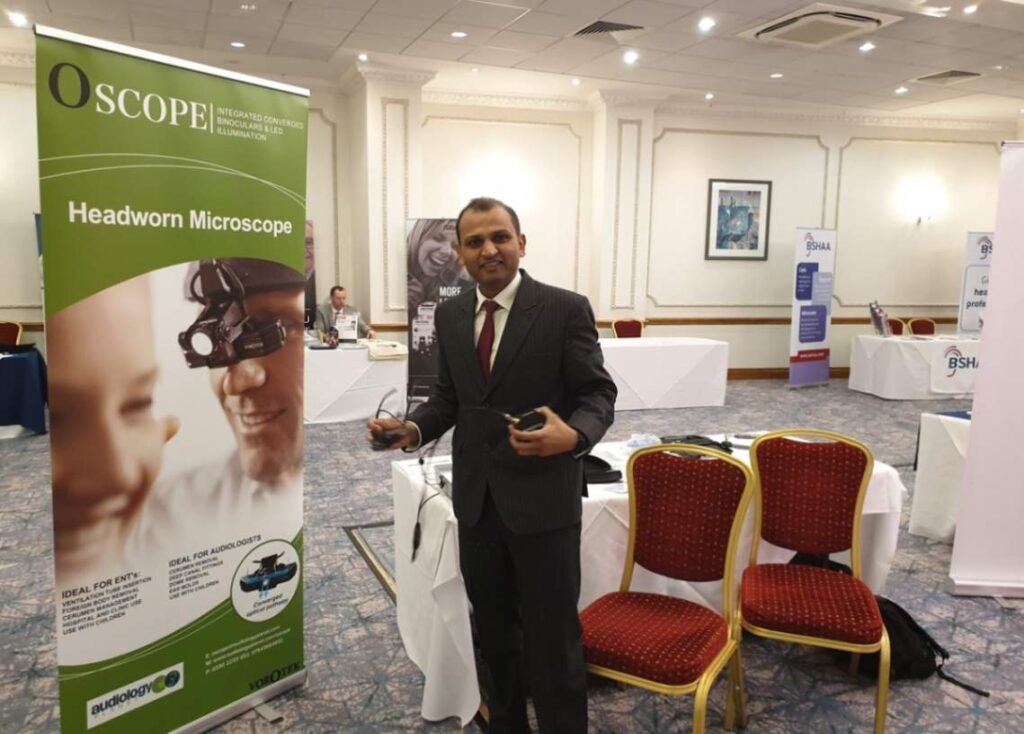
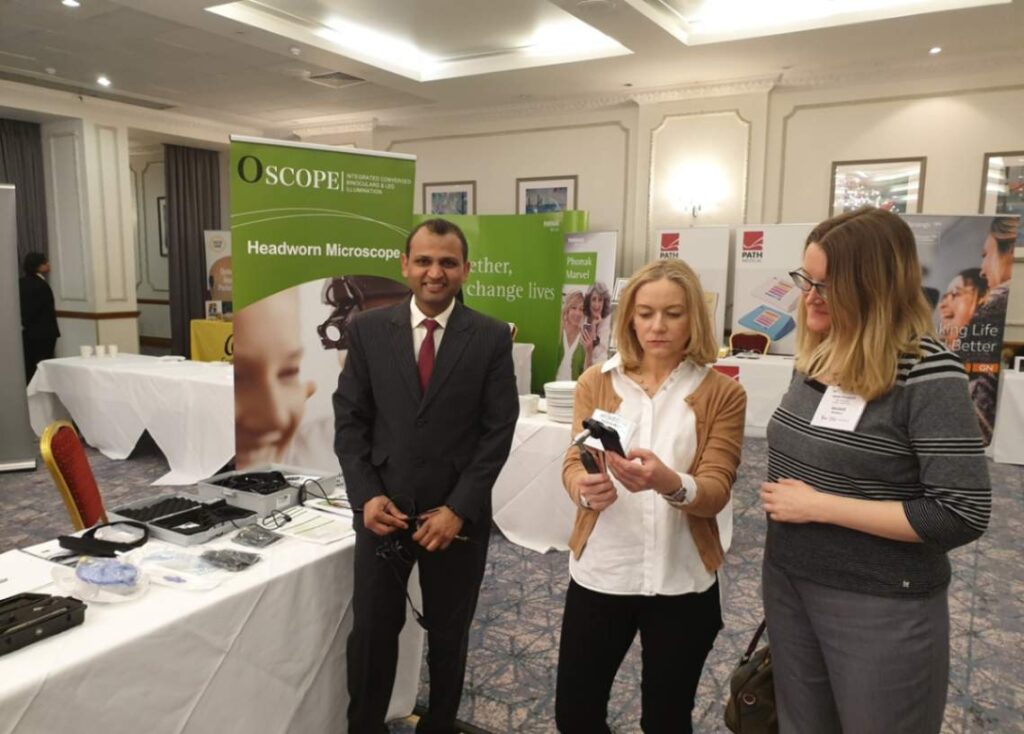
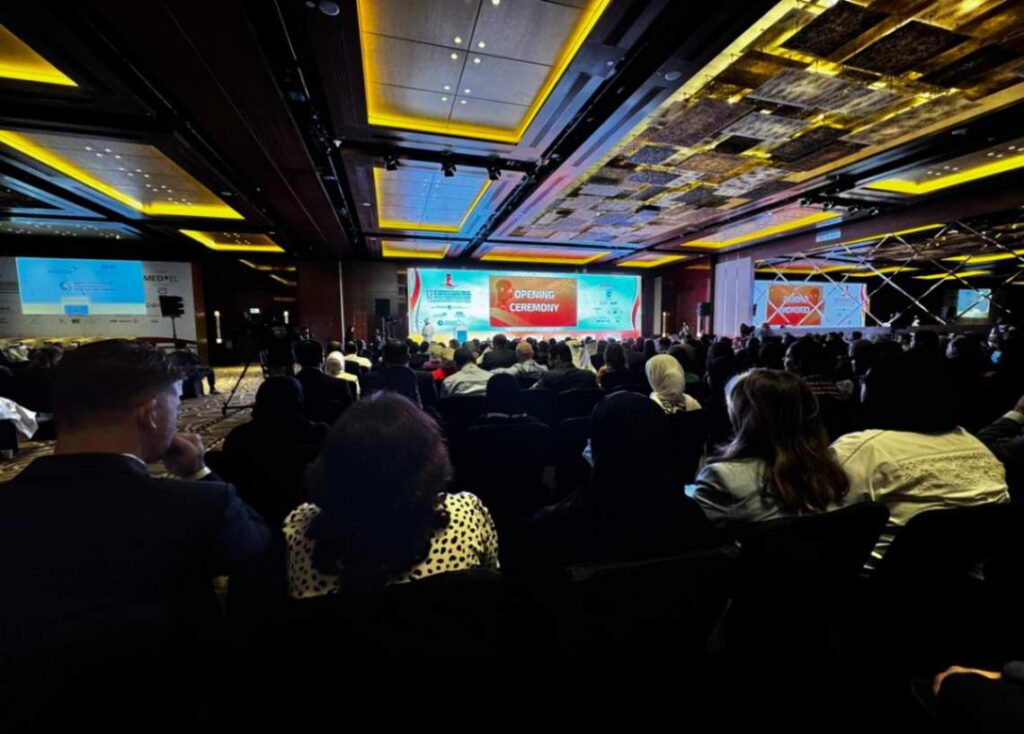
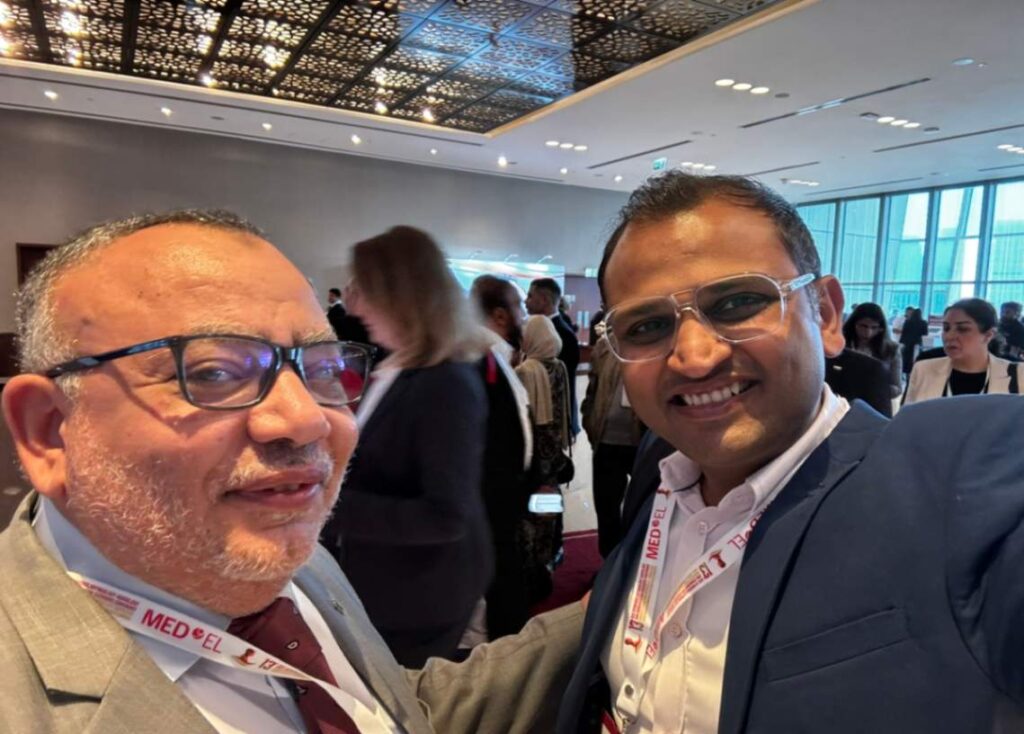
He is frequently invited as an ad-hoc lecturer and speaker at national and international universities, conferences, and think-tank meetings. Dr Jindal is the lead author of the UK national guidance for Probe Microphone Measurements. He has also served as a fitness-to-practice panel member for the Health and Care Professions Council.

An accomplished academic, Dr Jindal has authored several national and international publications and has substantial experience in teaching a wide range of audiology topics. He is actively involved in professional education and has organised numerous local and international audiology training programmes, including annual courses in paediatric audiology and ear care.

Position

Audiologist

Email

info@audiologyplanet.com

Experience

21+ Years

Specialised in

Audiology

Book an Appointment: +44 (0) 330 2233 453 , 07543664692

Audiologist and Hearing Specialist in London

Education & Qualifications

Degree Name: Doctorate in Audiology
University / Institution: Nova Southeaster University, Florida
Year of Completion: 2010

Degree Name: Bachelors in Audiology and Speech Therapy
University / Institution: Post Graduate Institute of Medical Education and Research
Year of Completion: 2004

Diploma: National Diploma in Primary Earcare
University / Institution: Rotherham NHS, Sheffield University, UK
Year of Completion: 2018

Professional Registrations & Memberships (UK)

Areas of Specialisation

Our Gallery

Testimonials

Our Client Says

Frequently Asked Questions

Audiologist are trained clinicians generally with a degree (BSc, MSc or doctorate degree) in audiology. They diagnose and treat hearing, balance or tinnitus etc and, if trained, can see children within their clinics. Many of the audiologists go on to have specialist training e.g. in balance disorders or paediatrics.
Hearing aid dispenser is a statutory title reserved for someone who is registered with Health and Care Professions council for hearing aid fittings. The basic qualification for this starts from a two years foundation degree in hearing aid dispensing.

Ignore the wall of certificates. Look for:

  • HCPC registration (UK) – non-negotiable
  • Preferably a higher degree in Audiology
  • Ongoing CPD and training

If they can’t clearly explain their training in plain English, that’s a red flag.

Depends on what you value more: speed and depth or waiting and standardisation.

  • NHS: Excellent care, limited time, long waits, fewer options
  • Private: Faster access, longer appointments, more choice, more contact time

Private care only works if it’s ethical and evidence-based. Fee alone tells you nothing. In fact, most private places who, for example, offer ‘free’ hearing tests, have to earn their money from somewhere. So, ultimately, customers do get charged one way or another. You might as well look at a service which is more transparent with your investment.

Anything under 45–60 minutes for an adult diagnostic assessment is cutting corners.
Full stop.
A good audiologist takes time to:

  • Understand you, not just your ears
  • Do proper assessment
  • Explain results without jargon
  • Discuss options without pressure

If it feels rushed, it probably is.

No.
If the first solution out of their mouth is a device, you’re in a sales funnel.
A good audiologist:

  1. Assesses
  2. Explains
  3. Explores options

Technology comes last, not first. It may or may not be part of the solution.

Ask these and listen carefully to the answers:

  • “What could be causing my symptoms?”
  • “What happens if I do nothing?”
  • “What are my options — including no treatment?”
  • “How do you measure success?”
  • “What follow-up care is included?”

If the answers sound vague, defensive, or scripted — walk.

Watch for:

  • Pressure to decide today
  • Discounts that expire suspiciously fast
  • No discussion of verification, follow-up, or outcomes
  • Talking more about brands than about you

Ethical audiology is boringly transparent.

Yes — but relevance matters more.
Someone with:

  • Years of experience in your specific problem (tinnitus, balance, paediatrics, musicians, complex loss)beats someone who’s “done hearing tests for 20 years”.

Ask what they see most often in clinic.

Absolutely.
If there’s no:

  • Outcome measures
  • Speech testing
  • Real-ear verification
  • Functional benefit tracking

…then improvement is being guessed, not proven.
Best practice isn’t optional. It’s the job.

Professional, calm, and human.
Not:

  • Overly glossy sales showroom
  • Chaotic and rushed
  • Intimidating or dismissive

You should leave feeling informed, not “sold to”.

There is a level of basic kit that every hearing and balance clinic should have:
A comprehensive hearing clinic
must have:

  • High level audiometer for speech and tone assessment (Must have)
  • Tympanometer
  • Real ear measurement system and hearing aid test box

Desirable:

  1. Otoacoustic emission measurement system
  2. Hearing aid test box
  3. Advance tympanometer with ipsi/contra reflexes and reflex decay capability
  4. Freefield audiometry system
  5. Auditory processing testing capability
  6. Auditory training material and input

A comprehensive balance assessment clinic
must have:

  1. Video head impulse
  2. Vestibular evoked myogenic potential
  3. Video nystagmography and caloric tests

Desirable:

  1. Posturography
  2. Virtual reality
  3. Gaming and other modalities for assessment and management
  4. Specialist vestibular physiotherapy services
  • Final reality check
    The best audiologist for you is not:
  • The cheapest
  • The loudest online
  • The one with the fanciest logo

It’s the one who:

  • Listens properly
  • Explains clearly
  • Follows evidence
  • Measures outcomes
  • Puts your needs ahead of a quick sale
  • Follows best practice

Prescription of the hearing device is as much an art as it is science. Surprisingly, as repeated consumer surveys will suggest that an incredibly large cohort of clinics do not follow best practice guidelines (such as performing real ear measurements), to prescribe the hearing devices. An unscrupulously large number of clinics still rely on the product to work for their clients rather than optimising the hearing technology in a scientific way.
Here's more detailed description of this- Why Comprehensive Hearing Care Matters Beyond Hearing Aids