





Why Am I Dizzy? Common Causes and How Vestibular Rehabilitation Therapy Can Help
Feeling dizzy might be worrisome. Also, it may make your daily tasks harder. A lot of people experience dizziness at some point and in the majority of the cases it is treatable. However, you first need to know the causes behind dizziness and when you should visit a specialist. Let us read this article and know more about the common reasons for dizziness and how vestibular rehabilitation therapy may support recovery.
What does dizziness really mean?

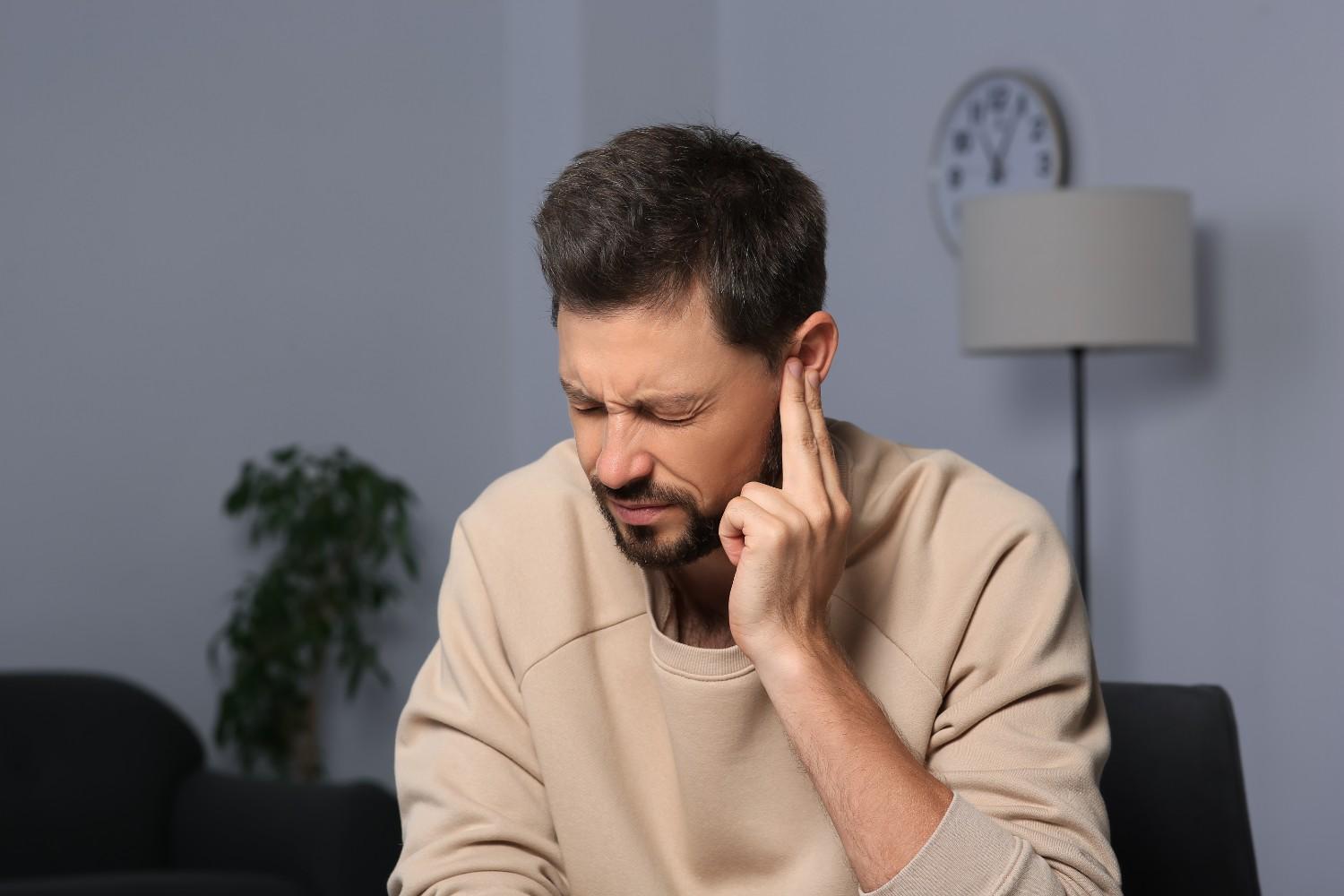
For every person, “dizzy” has a different meaning. Some people say that they feel like the room spins when they are dizzy, while on the other hand, some claim that the floor starts moving under them. Apart from that, other symptoms include that you may feel light-headed while moving your head. All these symptoms usually show up when the balance of your body is not working like it should.
How the balance system works
Your balance system helps you stay upright and steady. It works using three main parts:
- The inner ear, which senses movement
- The eyes, which tell you where you are
- The brain, which puts all the signals together
When these three parts work well together, you feel steady. When one part sends wrong or weak signals, the brain gets confused. That confusion causes dizziness.
Most common causes of dizziness
Let us focus clearly on the most common and important causes of dizziness:
Inner ear balance problems
The inner ear helps you maintain your balance. If there is any damage or irritation, the inner ear can start sending wrong signals to your brain. If this happens, you’ll start feeling unsteady, experience spinning, and find it difficult to walk in a balanced way.
Sudden head or body movements
Some people feel dizzy when they turn their head quickly, bend down, or stand up suddenly. This happens because the balance system struggles to adjust fast enough. If this happens often or strongly, it should be checked by a specialist.
Dizziness after illness or infection
After a cold, flu, or ear infection, dizziness can remain even when other symptoms are gone. The inner ear may still be recovering, which affects balance. Many people think this will go away on its own, but sometimes support is needed.
Vestibular migraine
A vestibular migraine can make you feel dizzy even without a headache. You might feel spinning, or have trouble focusing. This dizziness can come and go. However, this can be confusing if you do not know the cause.
Stress and tension
Stress affects breathing, muscles, and the nervous system. When the body stays tense, balance signals can be disrupted. This can lead to dizziness that feels very real and unsettling.
When dizziness should not be ignored
Feeling dizzy sometimes is normal. But it can become a problem if it:
- Lasts for weeks or months
- Happens every day or often
- Makes walking feel unsafe
- Affects your daily activities
Who is a vestibular specialist?

Clinics like Audiology Planet use tools such as O-Scope to check your balance and hearing. Some people may also get support through Hearing Care if their hearing and balance are linked.
What is vestibular rehabilitation therapy?
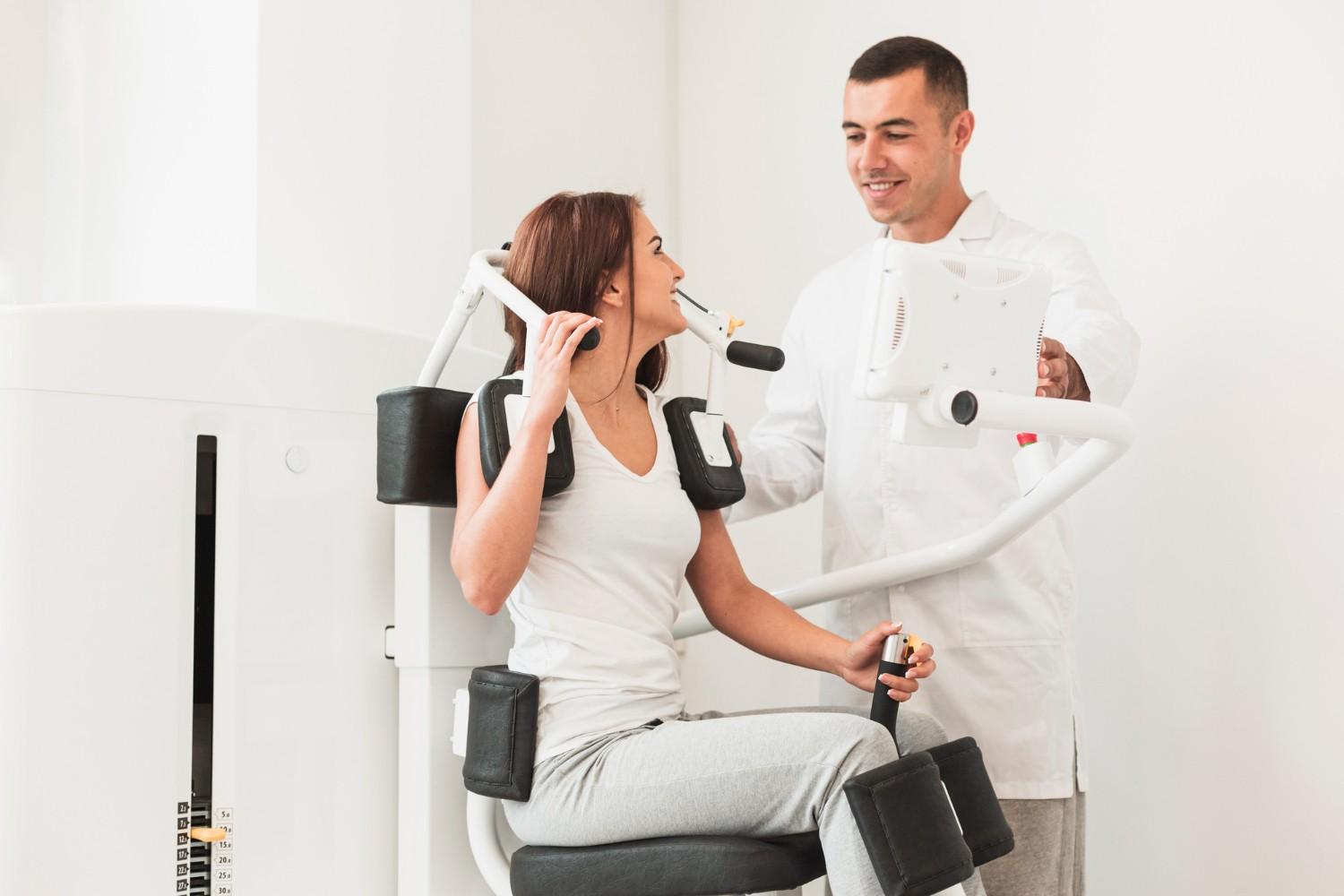
Many people ask, what is vestibular rehabilitation therapy? It is a special form of treatment designed to help the brain improve balance. Instead of relying only on medication, vestibular rehabilitation therapy uses specific movements and exercises to retrain the balance system. This therapy is safe, gentle, and tailored to each person.
How vestibular rehabilitation therapy helps

When balance signals are weak or confused, the brain needs guidance. Vestibular rehabilitation therapy helps the brain learn how to respond correctly to movement again. It can help reduce spinning, improve balance, make walking feel safer, and lower fear when moving. If you practice on a regular basis, the vestibular rehabilitation therapy can help your brain adapt and improve.
What happens during treatment?
After a full assessment, a treatment plan is created. This often includes vestibular rehabilitation exercises that are chosen based on your symptoms.
These vestibular rehabilitation exercises are simple and controlled. They may include gentle head movements, eye movements, and balance tasks. They are done slowly and safely.
Treatment for dizziness and vertigo

There is no single solution that works for everyone. The right treatment for dizziness and vertigo depends on the cause of the problem.
For many people, the most effective treatment for dizziness and vertigo is balance rehabilitation rather than medication alone. Exercises help the brain adjust naturally over time.
Why early treatment matters
When dizziness is ignored, the brain may start avoiding movement. This can make balance worse and increase fear.
Starting vestibular rehabilitation therapy early helps the brain recover more smoothly. Many people notice steady improvement with consistent vestibular rehabilitation therapy.
What recovery feels like
Recovery is gradual. Some days feel better than others. This is normal. With regular practice, vestibular rehabilitation therapy helps dizziness reduce over time. Balance improves step by step, and daily life becomes easier.
When should you book an appointment?
If the dizziness doesn’t go away even after several weeks, you should seek help. You should also see a specialist if you think you can’t walk straight or if dizziness is making it hard for you to focus on your everyday life. A vestibular specialist is there to tell you about your issue and guide you through vestibular rehabilitation therapy.
Final thoughts
For many people, vestibular rehabilitation therapy is a gentle and effective way to retrain balance and reduce dizziness over time. With the right assessment and the right support, balance can return. The world can feel stable again, and confidence can come back if you truly rely on the Vestibular physiotherapy and other treatment options.
FAQs
Q.1. Is feeling dizzy always serious?
Not always. A lot of people complain of dizziness even when they are too tired or when they stand up too fast. These are quite common causes too. However, if the dizziness keeps on coming and going, or it stays for a longer time, you should contact a hearing specialist.
Q.2. Is it possible for the dizziness to come from the inner ear?
Yes, this is quite possible. It’s because the inner ear helps in controlling your balance. Just in case it stops working properly, it might send wrong signals to the brain leading to you feeling dizzy.
Q.3. Can dizziness make walking or moving scary?
Yes, many people are scared of walking when they feel dizzy because they worry about falling. This is common and can improve with the right help and exercises.
Q.4. Is it possible to treat dizziness?
Yes, dizziness is treatable in many cases. Once you know the cause, it would become easier for you to get its treatment on time, and make your everyday movement feel safer again.