






New Research Brings Fresh Hope for Tinnitus Treatment
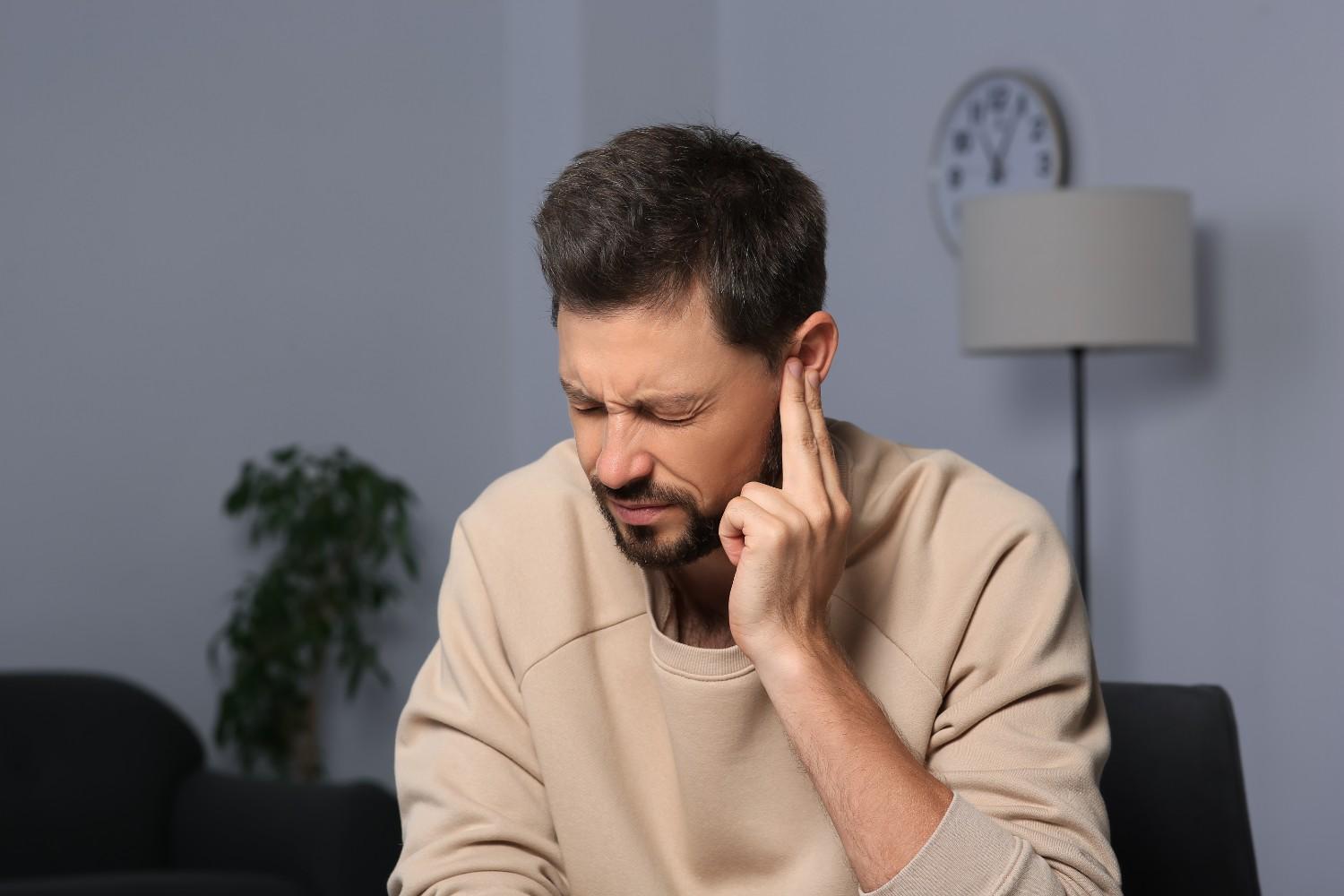
Millions of people live with tinnitus — the persistent ringing, buzzing, or hissing that seems to come from nowhere. For many, it’s intrusive, exhausting, and difficult to manage. While we do have effective approaches to help people cope with tinnitus, true treatments that actually reduce the tinnitus signal itself have been limited. However, new findings are beginning to offer fresh hope for Tinnitus Treatment, giving people reason to stay optimistic.
But recent work from Newcastle University, funded by RNID, suggests that may be starting to change.
Listening to Specially-Designed Sounds May Reduce Tinnitus Loudness

Millions of people live with tinnitus — the persistent ringing, buzzing, or hissing that seems to come from nowhere. For many, it’s intrusive, exhausting, and difficult to manage. While we do have effective approaches to help people cope with tinnitus, true treatments that actually reduce the tinnitus signal itself have been limited.
But recent work from Newcastle University, funded by RNID, suggests that may be starting to change.
How Does It Work? Retraining the Brain’s “Volume Control”

According to the research team, the therapy works by modulating patterns of neural activity in the brain’s auditory-processing networks. The specially designed sounds disrupt maladaptive synchrony between neural populations — synchrony thought to underlie the phantom sounds in tinnitus — thereby “quietening” the tinnitus signal.
In short — instead of merely masking tinnitus (as many traditional sound therapies do), this method seeks to re-train how the brain processes sound so that tinnitus becomes quieter over time.
The fact that the study was conducted entirely online using everyday devices (smartphones, headphones) suggests it could — if refined — be scaled globally at minimal cost.
How This Fits Into Today’s Tinnitus Management

While this research is early-stage, it adds an exciting new tool to the growing tinnitus-care toolbox. Contemporary, evidence-based approaches include:
- Traditional sound therapy and enrichment (masking, ambient sound)
- Neuromodulation approaches (e.g. bimodal stimulation devices)
- Education, counselling, and psychological support (e.g. CBT, mindfulness-based interventions)
- Supportive hearing-care with hearing aids or assistive devices
This new sound-modulation therapy could complement these — and, for some patients, even offer direct reduction in tinnitus loudness, rather than just habituation or coping.
What It Means for Patients
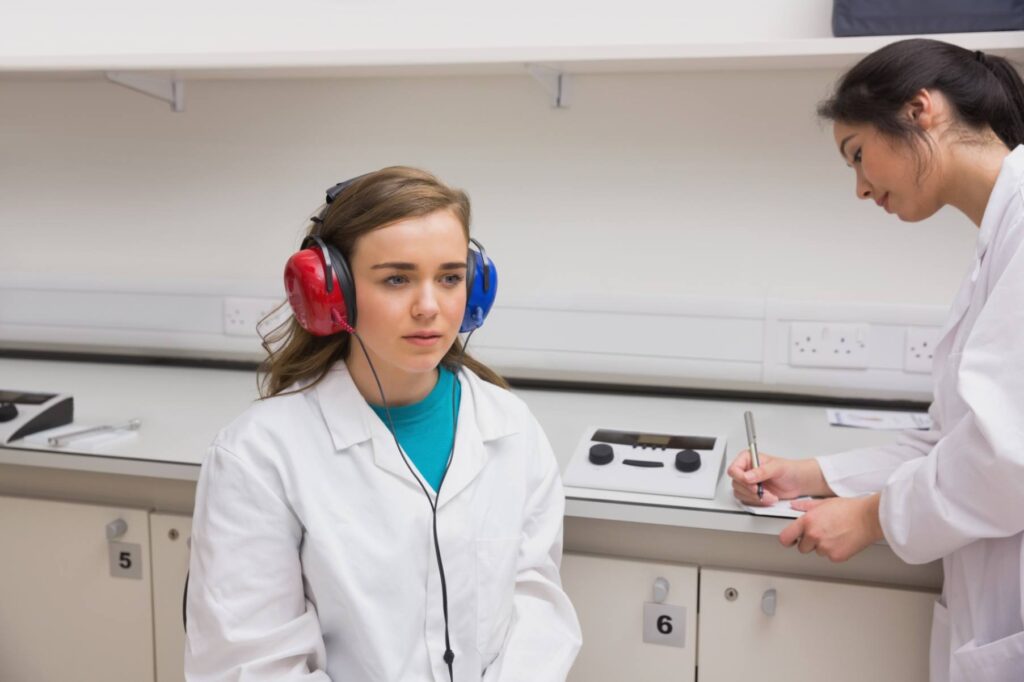
If you (or someone you know) lives with tinnitus, this research is genuinely encouraging. While it is not a guaranteed “cure,” it represents a meaningful step toward therapies that address tinnitus at its source — not just the distress it causes.
The ease of access is another major advantage: no special equipment, no clinic visit required — just a smartphone, headphones, and consistency.
As more data emerges and follow-up trials begin, we’ll monitor progress closely and update our patients accordingly.
References & Further Reading
- Newcastle University / RNID press release: Smartphone sound therapy could transform tinnitus treatment for millions. https://rnid.org.uk/2025/12/smartphone-sound-therapy-could-transform-tinnitus-treatment-for-millions/
- Peer-reviewed trial: “Online sound therapy for chronic tinnitus using a novel cross-frequency covariance-cancelling stimulus” (2025) — demonstrated significant, lasting reductions in self-rated tinnitus loudness after active (not sham) intervention.