



Hearing Test Frequency for Adults: How Often Should You Get Tested?
Hearing has always been a very important part of our lives. Whether it’s about a simple conversation or your morning alarms, our ears help us stay connected with others. Still, a lot of people tend to ignore their hearing health until they start noticing some issues. But, by that time, the damage was already done. If you are well aware of the right hearing test frequency, you would be able to protect your ear-related issues in the future.
In the UK, hearing care professionals suggest regular hearing checks as part of overall health care, just like eye tests or dental visits. Let us understand how often you should get tested and why it matters.
Why Hearing Tests Matter More Than You Think
Hearing loss often happens slowly. It may start with missing soft sounds or struggling to follow conversations in noisy places. Because the change is gradual, people tend to adjust without realising it. Over time, it can lead to negative effects on your confidence, social life, and even mental health.
A proper hearing test can detect early signs of change. Once you understand your hearing level, you can take steps to protect it. This is why experts stress the importance of maintaining a regular hearing test frequency, even if you feel your hearing is fine.
What Experts Say About Hearing Tests
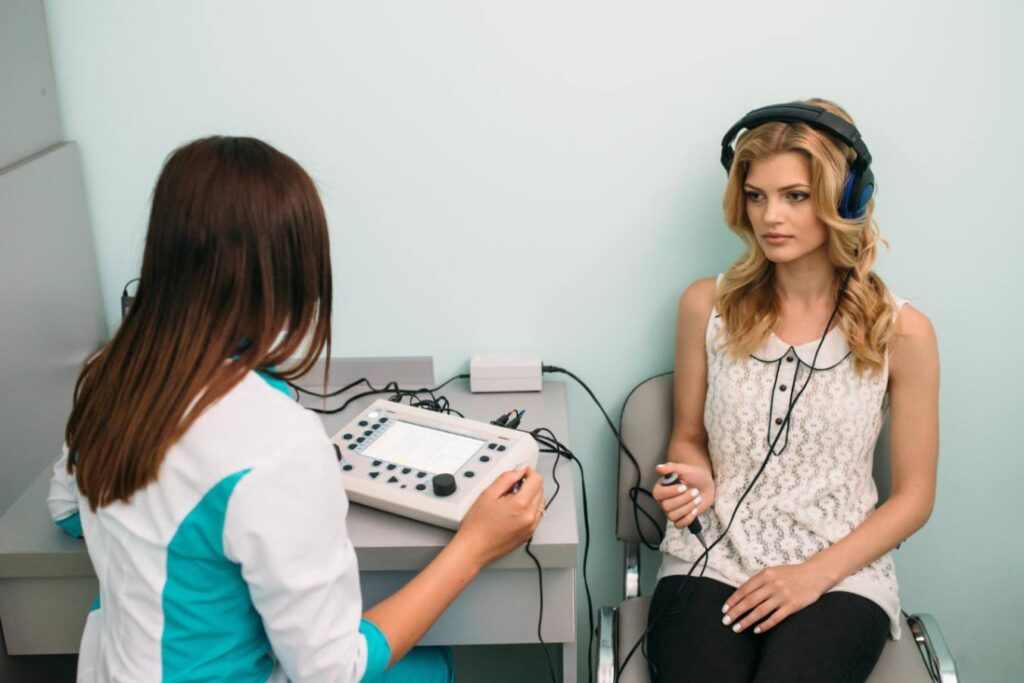
Hearing specialists agree that regular hearing checks should be a part of adult health care. The advice may vary based on age, lifestyle, and health history. However, most professionals agree that ignoring hearing health is a mistake.
Many people ask, How Often Should You Get a Hearing Test? The simple answer is: often enough to catch changes early, but not so often that it feels unnecessary. Finding the right balance is key.
Hearing Tests for Adults Aged 18 to 40
Young adults often believe hearing loss only affects older people. This is not true. Loud music, headphones, traffic noise, and workplace sounds can all affect hearing over time.
Experts in the UK suggest adults in this age group should get a hearing test every 5 years. This helps establish a baseline for your hearing. It also helps you understand whether your lifestyle is affecting your ears.
At this stage of life, following a sensible hearing test frequency helps you spot early warning signs before they become serious.
Hearing Tests for Adults Over 60
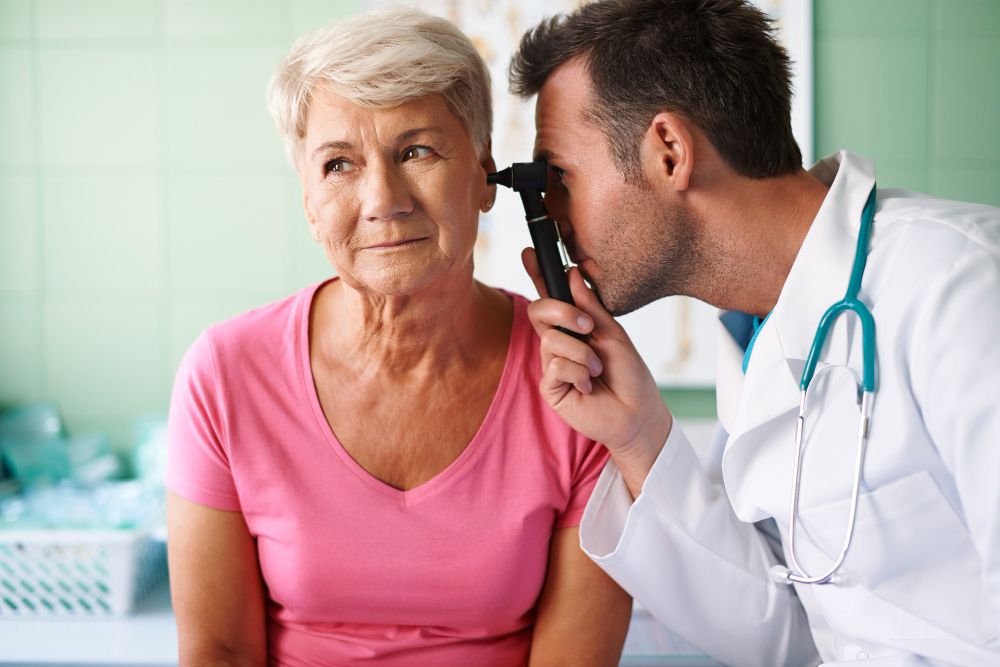
After the age of 60, hearing changes become more common. Conversations may feel tiring, especially in group settings. Many people start increasing the TV volume without noticing.
Experts always recommend a routine hearing test schedule to the people of this age group. If they do so, it shall help them ensure that hearing loss is not affecting their personal safety and quality of life.
At this stage, following the correct hearing test frequency can make daily life more comfortable and enjoyable.
Special Cases: Who Needs More Frequent Tests?
Some people may need hearing tests more often than others. This includes:
- People who are working amidst a noisy environment
- Those who already have a family history of hearing loss
- People with diabetes or heart conditions
- Anyone who commonly experiences ringing or buzzing in the ears
For such individuals, professionals may advise a higher hearing check-up frequency, sometimes once every year regardless of age.
Understanding when adults should have hearing tests is especially important for those with higher risk factors.
Early Testing Can Make a Big Difference
Regular hearing checks are not just about hearing aids. They are more about awareness and prevention. With the early testing as an aid, you would be able to make lifestyle changes that shall protect your ears.
Simple steps like reducing headphone volume or wearing ear protection can help prevent age-related hearing loss later in life. This is why sticking to a healthy hearing test frequency is strongly recommended.
What Happens During a Hearing Test?
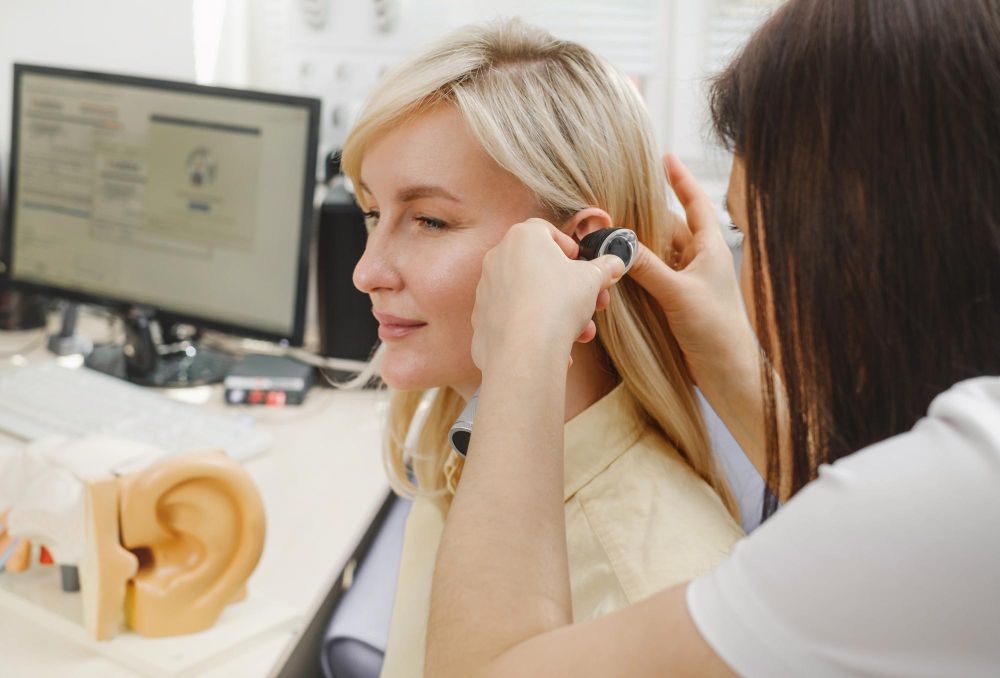
There is no need to get scared when your specialist suggests you for a hearing test. It’s because it is simple and painless. The overall tests take not more than half an hour. Throughout the test, you’ll be listening to sounds via headphones and respond whenever you hear them.
The majority of the modern clinics rely on advanced tools like O-Scope that helps them make these tests comfortable and accurate.
Choosing the Right Hearing Care Provider
In the UK, there are a lot of trusted hearing care specialists offering professional testing and guidance. One such clinic is the Audiology Planet that focuses on patient education and long-term hearing health.
If you are in touch with a professional hearing care provider, you will be able to gain understanding about your results. Also, they would guide you on your further steps. These steps include lifestyle advice, regular monitoring of your hearing and other hearing care services.
Hearing Tests and Tinnitus
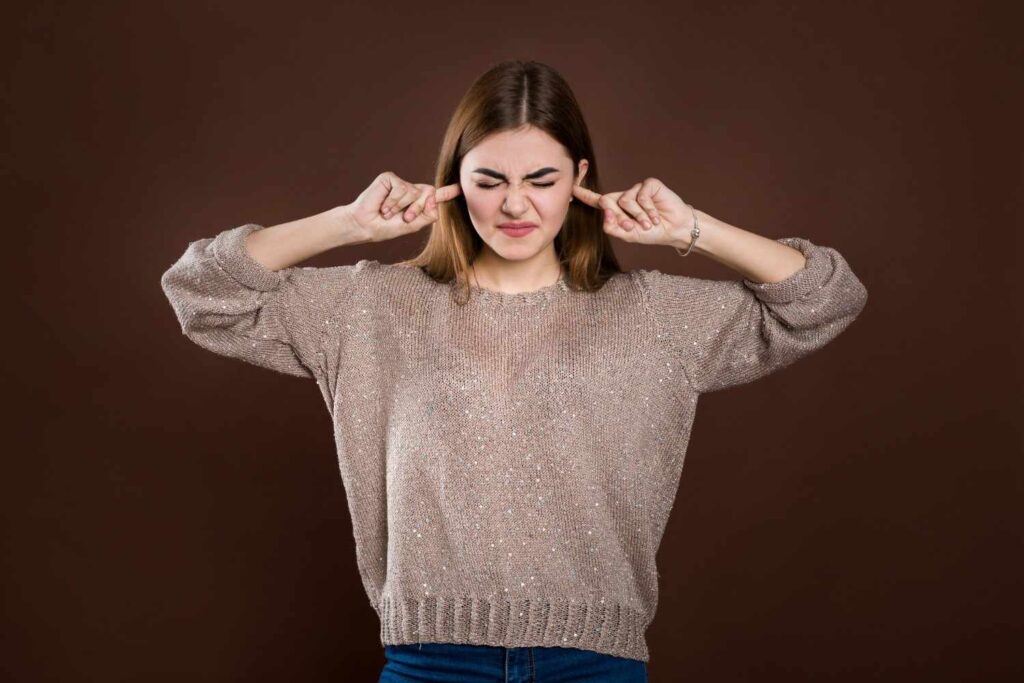
If you experience ringing, buzzing, or humming sounds in your ears, a hearing test is very important. These symptoms may be linked to hearing changes.
Specialised support such as Tinnitus Management can help identify the cause and provide relief options. In such cases, following a proper hearing test frequency becomes even more important.
Making Hearing Health a Habit
A lot of people consider hearing tests as a burden. However, that should not be the case. Instead, consider them as a simple habit that supports your long-term well being. Just like eye tests or blood pressure checks, a good hearing test frequency helps you stay informed about your health.
If you follow the finest hearing test frequency, you would be able to give yourself the best chance to enjoy clear hearing for upcoming years.
Final Thoughts
A lot of people tend to avoid their hearing health. However, they need to know that it literally affects nearly every part of life. If you rely on regular hearing tests, it will help you stay safe, confident and connected. Does’t matter what your age is, gaining knowledge about the right hearing test frequency can help you protect your future hearing. Thus, you need to make sure that you are staying consistent, and treat hearing care as a very important element of your health journey.
Frequently Asked Questions
Q.1. How often should adults get a hearing test?
Most adults should get a hearing test every 2–3 years. If you are over 50 or have hearing concerns, annual hearing tests are recommended.
Q.2. At what age should adults start regular hearing tests?
Adults should start regular hearing tests around the age of 40, even if there are no noticeable hearing problems, to detect early hearing changes.
Q.3. Who needs hearing tests more frequently?
People exposed to loud noise, those with diabetes, a family history of hearing loss, tinnitus, or balance issues should have their hearing tested every year.
Q.4. What are the signs that I need a hearing test?
Common signs include difficulty understanding speech, frequently asking others to repeat, increasing TV or phone volume, ringing in the ears, or feeling off balance.
Q.5. Can regular hearing tests prevent hearing loss?
Regular hearing tests help detect hearing problems early, allowing timely treatment and hearing care to slow progression and protect long-term hearing health.