




Hearing Aids in Kent & Tunbridge Wells
Personalised prescription and programming of hearing devices for optimal hearing.
Exclusive Independent Ear & Hearing Clinic, Providing Exceptional Care to All Ages.
Hearing aids are small electronic devices that amplify sounds to help people with hearing loss participate more fully in daily life by improving hearing and speech comprehension.
Modern hearing aids are comfortable, feature advanced technology, and help you hear clearly in many environments.
At Audiology Planet, our expert audiologists in Kent provide you with a professional hearing assessment, hearing aid fitting, and ongoing support at our clinics in Sevenoaks and Royal Tunbridge Wells. If you are experiencing hearing loss for the first time or want to improve your hearing aid, you can contact us.
HEARING AIDS
Hearing Problem
What Are Hearing Aids?
A hearing aid is a small device worn behind or inside the ear to amplify sounds. It does not restore natural hearing, but it can help if you often ask people to repeat themselves.
Modern hearing aids are smaller and automatically adjust to different environments.
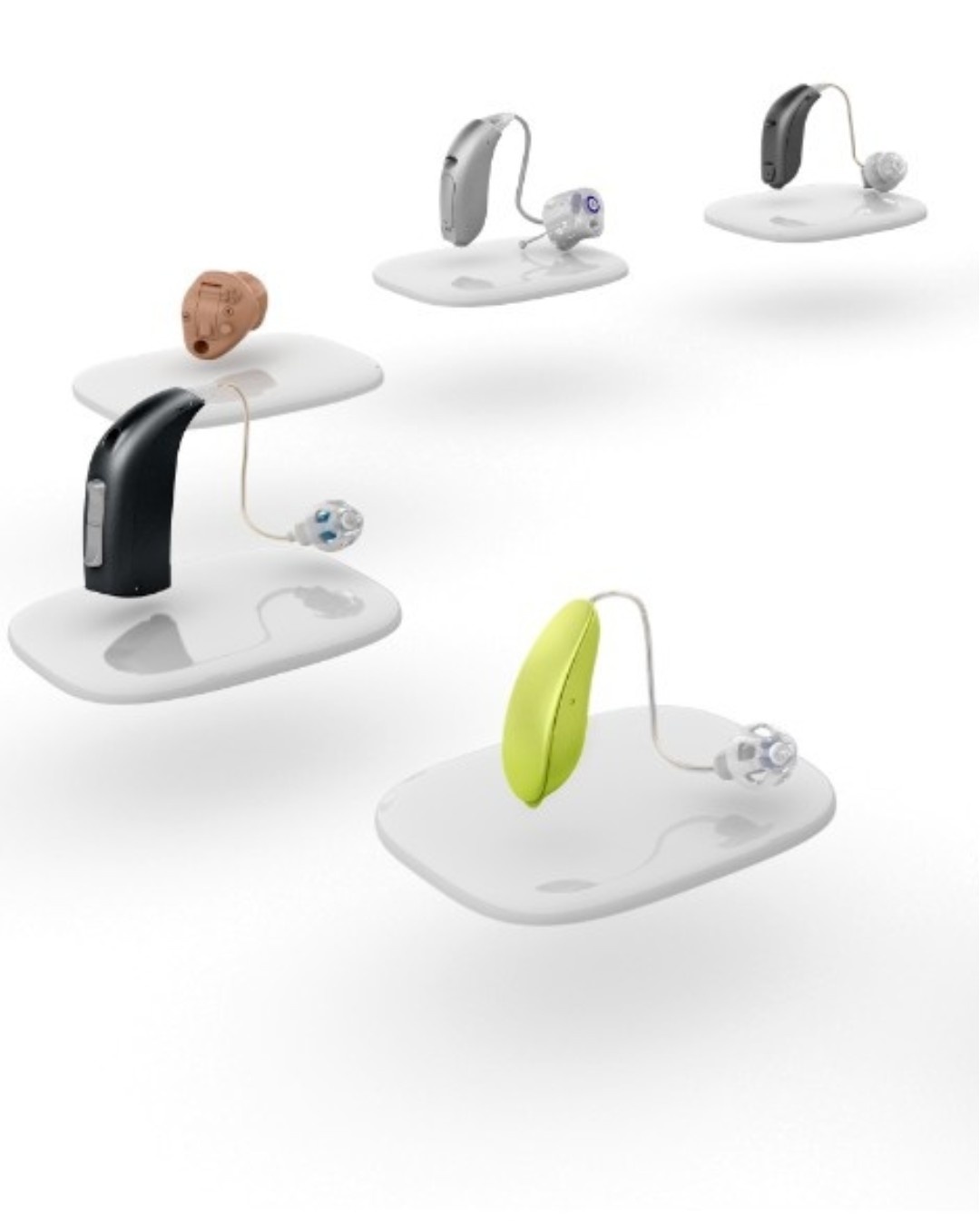
There are various types of hearing aids, such as prescription and over-the-counter, with different styles-some are more discreet than others. Types include:
- Behind-the-ear (BTE)
- In-the-ear (ITE)
- In-the-canal (ITC)
- Receiver-in-the-ear (RITE)
What hearing aids can do:
- It helps you to make quiet sounds easier to hear.
- It reduces background noise in busy places.
- It helps you in following conversations more clearly.
- You can hear the TV audio and sounds clearly.
- It also connects with smartphone apps for adjustments.
Signs You May Need a Hearing Aid:
Not everyone knows when to consider a hearing aid. Common signs include:
- When you are frequently asking people to repeat themselves
- You are having difficulty hearing in restaurants or busy environments.
- When you are turning the volume of the TV higher than others.
- If you are struggling to hear phone conversations.
- If you are finding high-pitched sounds less noticeable
- When you are feeling tired after interactions because of the listening efforts.
- When you are avoiding social situations due to communication difficulties.
If you notice more than two signs, you may need a hearing device.
Types of Hearing Aids We Offer
There are several types of hearing aids. The best option depends on individual hearing needs and lifestyle.
Behind-the-Ear (BTE): BTE hearing aids fit behind the ear and connect through a thin tube or wire.
Some benefits include:
- They are suitable for all levels of hearing loss.
- It is reliable and durable.
- They are easy to handle and maintain
- It is widely available through the NHS.
- It comes with excellent battery life.
Receiver in Canal (RIC/RITE) Hearing Aids: RIC hearing aids are among the most popular hearing aid devices that are available today.
Some benefits include:
- It comes with a slim and discreet appearance.
- It has a natural sound quality.
- They are comfortable for all-day wear.
- They are suitable for mild to severe hearing loss.
- It comes with advanced Bluetooth connectivity options.
In the ear (ITE) Hearing aids: In-the-ear hearing aids fill the area just outside the ear opening. They are visible from the side but not from behind.
Some benefits include:
- It is difficult to see
- They are Comfortable and lightweight.
- Best suited for mild to moderate hearing loss
In the canal hearing aids are smaller than ITE aids and sit at the ear opening, making them less visible.
Some benefits include:
- They are less visible than ITE devices.
- It has a comfortable custom fit.
- It is suitable for mild to moderate hearing loss.
- It has a natural appearance.
Completely-in-the-Canal (CIC): These are the smallest hearing aids. They fit deeper into your ear than ITC aids and are barely visible.
Some benefits include:
- Very difficult to see
- Comfortable and lightweight
- Suitable for mild to moderate hearing loss
- Reduced wind noise compared to larger styles.
Invisible-in-the-Canal (IIC): IIC is the smallest hearing aid. These usually are not powerful enough for severe hearing loss.
Some benefits include:
- They are completely hidden within the ear canal.
- Excellent cosmetic appeal
- They are custom-made for your ears.
- It is suitable for selected cases of mild to moderate hearing loss.
Our Hearing Aid Fitting Process:
- Initial Consultation- We discuss hearing concerns, medical history, and daily challenges with you.
- Comprehensive Hearing Assessment- Your audiologist performs a full hearing evaluation, including audiometry and noise testing.
- Personalized Recommendation- We explain your results clearly and recommend the most suitable hearing devices for your needs.
- Hearing Aid Fitting- Your chosen hearing aid is carefully fitted and programmed according to your audiogram.
- Real-Ear Measurement- We use Real-Ear Measurement (REM) to verify that your hearing aid delivers the correct level of amplification.
- Follow-Up Support- Regular review appointments allow us to fine-tune settings as you adapt to your new hearing aids.
How Hearing Aids Work:
Hearing aids use several parts to boost sound. Here’s how a hearing aid works:
- Sound goes into a set of microphones.
- The microphones convert the sound to electrical signals and process those signals before sending them to an amplifier.
- The amplifier makes the signals louder and boosts the sound.
- The amplifier sends the sounds to your ear through a tiny speaker (receiver).
Premium devices may use AI to adjust automatically. Some have disposable batteries, but most are rechargeable and can be charged like a smartphone.
Why Choose Audiology Planet for Hearing Aids in Kent?
Choosing the right hearing aid matters. At Audiology Planet, we combine expertise and personalized care for optimal results.
Why patients choose Audiology Planet:
- HCPC-registered audiologists with experience over the years.
- We have clinics in Sevenoaks, Kent, and Royal Tunbridge Wells.
- Independent advice with no manufacturer bias
- Full range of hearing aid devices and leading brands
- Real-ear measurement is included with every fitting.
- Comprehensive aftercare and support
- Fast appointment availability
- Friendly and professional consultations
- Personalized hearing aid fitting for every patient
Hearing Aid Technology Features
Modern hearing aids do more than amplify sounds. They improve communication, convenience, and quality of life.
Some features include:
- Bluetooth
- Chargeable batteries
- AI noise reduction
- Directional microphones
- Smartphone apps
- Tinnitus management programs
- Telecoil compatibility
- Water-resistant.
Hearing Aids for Specific Lifestyles:
Different lifestyles require different hearing aids. Here are some examples:
For Active and Outdoor Lifestyles
- You should choose water-protection hearing devices.
- Lightweight models are comfortable when you are doing exercise.
- Bluetooth connectivity works well with smartphones and fitness apps.
For Social and Work Settings
- AI noise reduction helps in listening to conversations clearly.
- Microphones focus on conversations efficiently.
- CIC and IIC hearing aids offer a discreet appearance
For Older Adults and Those with Dexterity Challenges
- BTE hearing aids are easy to handle
- Rechargeable options remove the need for battery changes.
- Large controls improve usability.
Hearing Aid Types Comparison Table
Type | Visibility | Best For | Power Level | Avg. Cost (Private) |
Behind the Ear (BTE) | Visible | All loss levels | High | £500-£1,500 |
Receiver in Canal (RIC/RITE) | Discreet | Mild to severe | High | £800-£2,500 |
In the Ear (ITE) | Slightly visible | Mild to severe | Medium | £700-£2,000 |
In the Canal (ITC) | Discreet | Mild to moderate | Medium | £800-£2,200 |
Completely in Canal (CIC) | Very discreet | Mild to moderate | Lower | £1,000-£3,000 |
Invisible in Canal (IIC) | Invisible | Mild to moderate | Lower | £1,500-£3,500 |
Cost & Funding
What Do You Need to Know?
People may delay treatment due to cost concerns. Both NHS and private options are available.
NHS Hearing Aids:
- It is also available free of cost through GP.
- It includes BTE and selected RITE hearing aids.
- It also includes batteries and repairs.
- However, waiting time can be increased because of the local demand.
Private Hearing Aids:
- It cost you between £500 to £3,500+ per device
- It comes with a wider choice of styles and technology.
- It has quick access to appointments.
- It has personalized hearing aid fitting and aftercare services.
- Includes more flexibility in hearing aid selection
How Long Do Hearing Aids Last?
Most people use hearing aids for 6-7 years. Often, devices can be updated rather than replaced.
If you have hearing loss, get your hearing tested yearly. Your audiologist can reprogram your hearing aids as needed.
However, you have to change the battery of the device. As battery performance generally depends on the model of the device:
- Batteries that are disposable usually last for 6-14 days.
- Rechargeable batteries provide a full day’s use per charge.
Aftercare & Ongoing Support
Purchasing a hearing aid device is just the beginning. It ensures that you continue getting the best possible results from your hearing devices.
Our aftercare support includes:
- Follow-up appointments
- Cleaning and maintenance
- Repair support for accidental damage
- Advice on accessories and devices
- Ongoing guidance
- Support with Bluetooth connectivity and apps
- Performance reviews
Related Services at Audiology Planet:
Our team will offer you a range of services related to hearing, not just hearing aids.
Our other services include:
- Earwax Removal
- Paediatric Audiology
- Tinnitus Management
- Hearing Assessments
Ready to Improve Your Hearing?
If hearing loss is affecting your daily life, a solution is available. Our expert doctors at Audiology Planet provide you with professional hearing assessments, aid fitting, and ongoing support. We try to understand your hearing needs and recommend the most suitable solution to you.
Frequently Asked Questions
Hearing aids are small electronic devices that help people with hearing more clearly. They get attached to or behind the ear and are programmed to match the hearing needs.
The four main types of hearing aids are Behind the Ear (BTE), Receiver in Canal (RIC), In the Ear (ITE), and In the Canal (ITC).
NHS hearing aids are available free through GP referral. However, a pair of hearing aids in the UK generally range from £500 to £3,500 or more. It depends on the technology.
Hearing loss often develops automatically with age. Some other causes can be high noise, ear infections, the buildup of earwax, certain medicines, or underlying medical conditions. A professional hearing assessment can help in identifying the cause.
The top 3 hearing aids are Phonak, Signia, and Oticon. But the best hearing aid depends on your budget and lifestyle.
Yes. NHS hearing aids are available through the NHS hearing services. NHS devices provide good support of hearing; however, private providers often offer a wider range of options in styles and technology.
Yes, many modern hearing aid devices have the feature of Bluetooth connectivity. This allows users to stream calls, music, etc., directly to their hearing aids while controlling settings through smartphone apps.
Hearing care is a process that always focuses on improving, and protecting your hearing health. It’s quite important because hearing problems, if detected early, can help you prevent permanent hearing loss. Also, it leads to an improvement of your quality of life.
You should definitely pay a visit to an ear specialist if you are having issues in hearing conversations, or if you need to increase the TV’s or phone’s volume. Apart from that, even if you are experiencing ringing in the ears, it is a worrisome signal.
Anyone who has difficulty in hearing, or any symptoms related to ears should visit an audiologist. Apart from that, children with speech delay, adults who are quite commonly exposed to loud noise, or elderly people with hearing loss issues due to age must also visit an audiologist.
There are various technologically advanced hearing loss treatments in the market. These include hearing aids, hearing therapy, counseling, hearing protection, or medical. The type of treatment that the patient shall receive will depend on the type and severity of hearing loss.
Yes, it is quite possible to prevent hearing loss. This can be done by avoiding loud noises, using ear protection, getting regular hearing check-ups, and seeking timely hearing care from an audiologist.
Corporate Partners/Brand














Testimonials
Testimonials
Our Client Says
I found Jay off the internet and very pleased I did. He is professional, knowledgeable, thoughtful in ways of helping you and easy and enjoyable to talk to. I would thoroughly recommend him to anyone with hearing difficulties and in fact I did and he was exceptionally pleased. He found Jay far more thorough than anyone else he had seen.
Richard Charnley
I was referred to Dr Jindal by another clinic as someone who may be able to assist with a long term problem with my 73 year old Fathers hearing. We found Jay to be extremely helpful on both occasions that we met, giving us clear and concise information on the problem and what could be done to try and help.
Martin Norwood
I visited Dr Jindal once at his clinic to get my father seen. He was organised, patient and methodical in his examination, and the facilities are great. While we received lots of good advice during the consultation, he was also kind enough to patiently assist with any queries we had over the phone well after the visit.
Vilas C
Dr Jindal has been a most caring and reassuring practitioner and has sympathetically assessed my hearing loss and balance difficulties. He has given freely of his time and suggested helpful ways in which these problems can be addressed and has advised on suitable hearing devices.
Julia Cruse
Dr Jindal works in a patient, caring and professional manner. His deep understanding of hearing loss and knowledge of modern hearing aids has helped restore the gift of hearing to my 90-year-old father.
Roger W