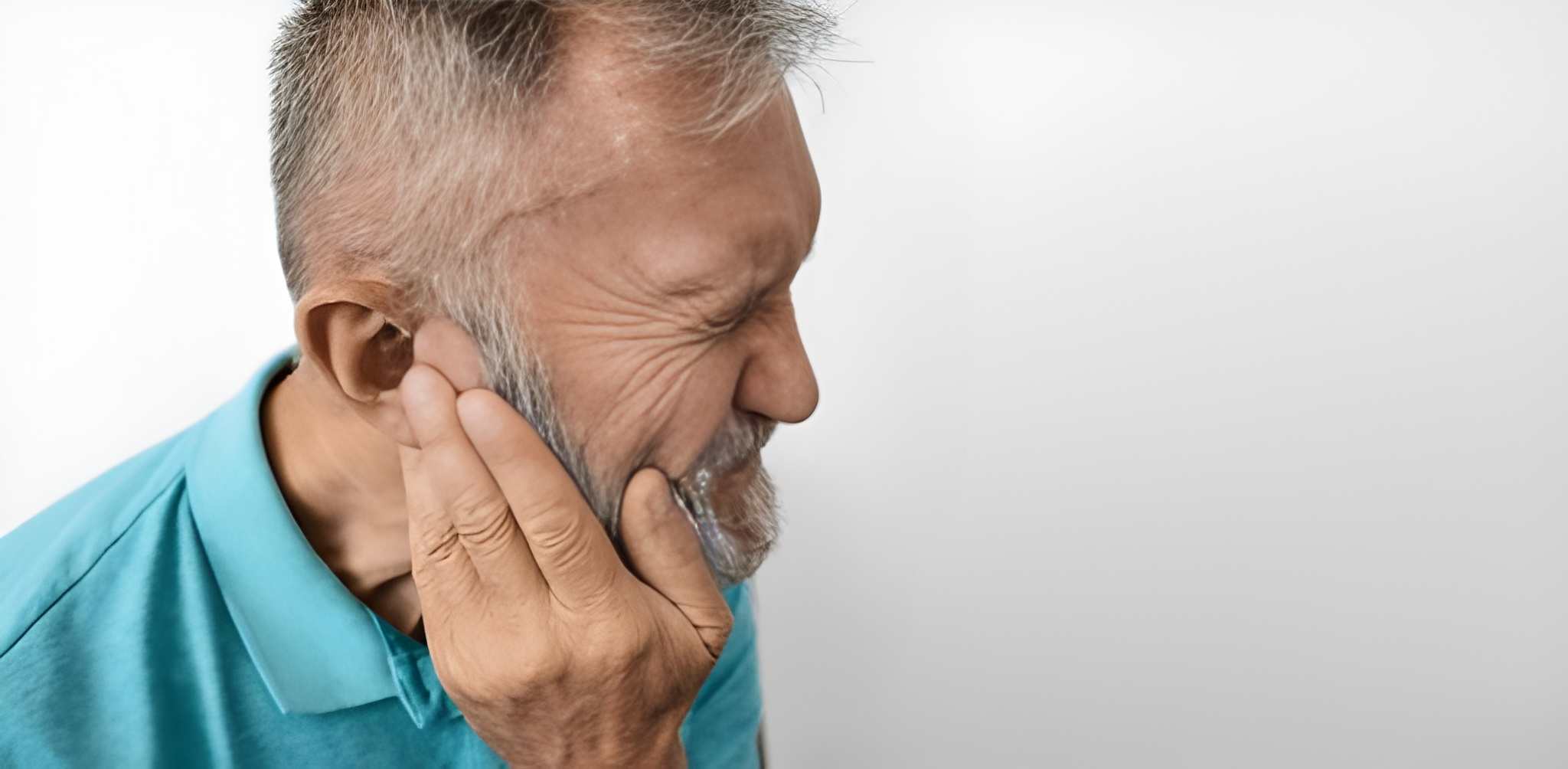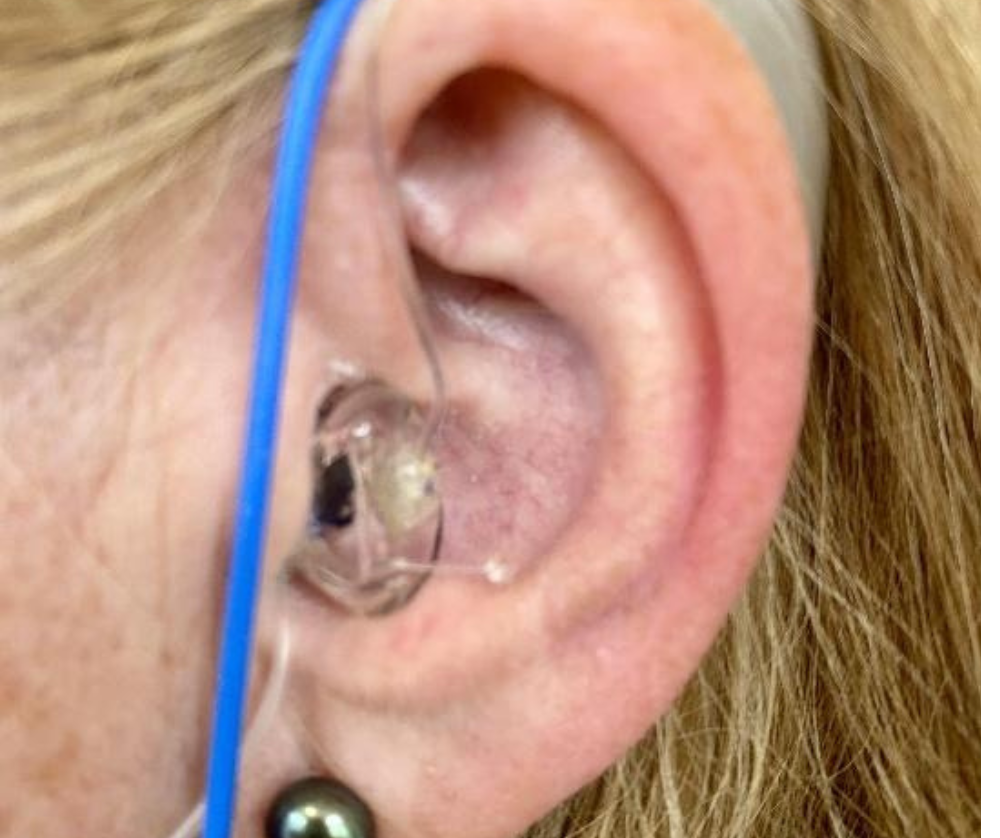
You have blocked ears, pressure or sensation of pain in the ears etc, you may have an uncommon ear problem that often goes undiagnosed. This problem affects a small tube inside your head called the Eustachian tube, which helps your ears feel “normal” by balancing pressure. This is why you feel a popped sensation when you are in a tunnel in a train and flying up or down in an airplane.
By regulating middle ear pressure, the Eustachian tube makes your ears feel “normal.” This explains why you experience a popping sound when flying up or down in an airplane or traveling through a tunnel on a train. You may have muffled hearing, ear fullness, or pressure in your ears when this system isn’t functioning properly.
Understanding Eustachian Tube System
The Eustachian tube connects your middle ear to the back of your nose and throat, helping to regulate ear pressure and drainage.
If this tube does not open properly, air cannot move in and out as it should. Your ear may feel full or blocked, sounds can seem muffled, and you might notice popping or crackling. This often happens with colds, sinus problems, allergies, or changes in air pressure, such as when flying.
Eustachian Tube Dysfunction (ETD) commonly occurs during:
- Colds and flu
- Sinus infections
- Allergies
- Sudden changes in air pressure, such as flying or driving at high altitude
Practical ways to manage blocked ears and ear pressure
Here are practical steps and recommendations to help manage the condition effectively.
Saline Nasal Rinse
Use a saline nasal rinse to relieve nasal dryness, irritation, and discomfort. This may improve airflow around the Eustachian tube and help ease ear pressure and blockage . These rinses are readily available and can be done at home.
Neck and Shoulder Exercises
Practising exercises to reduce tension in the throat, neck, and shoulder muscles may help relieve ear pressure problems. Gentle neck stretches and shoulder rolls can ease muscle tightness, support better Eustachian tube function, and reduce associated discomfort.
Relaxation Therapy
Consider relaxation therapy if your symptoms of a blocked ear are related to heightened sensitivity in the throat or oesophagus. Techniques such as mindfulness, breathing exercises, or professional therapy may help.
Ear exercises to help open the Eustachian tube
Simple ear pressure relief exercises can help “exercise” the Eustachian tubes.
Nose blowing can help the ears by exercising the eustachian tubes. Also, there is a special nasal balloon system called Otovent that is designed to gently push air up behind the nose and help open the Eustachian tube so that pressure in the middle ear can equalise more easily. It is available for both children and adults

Reference: https://www.otovent.co.uk/buy-otovent/otovent/
Techniques to Equalise Ear Pressure
Valsalva Manoeuvre
- Pinch your nostrils shut.
- Close your mouth.
- Gently blow air to create pressure in your nasopharynx.
This can help open the Eustachian tubes and equalise ear pressure.
Toynbee Manoeuvre
- Pinch your nostrils shut.
- Swallow.
Swallowing activates muscles that help open the Eustachian tubes and may reduce ear fullness.
Yawning and Chewing
Regular yawning or chewing gum helps stimulate muscles around the Eustachian tubes, promoting their proper function.
A twist in this story: When the Eustachian tube stays open
When this Eustachian tube remains abnormally open, it may lead to symptoms such as hearing your own voice or breathing more loudly than usual. This condition is known as Patulous Eustachian Tube.
Symptoms may include:
- Hearing your own voice loudly (autophony)
- Hearing your breathing unusually clearly
- A sensation of echoing in the ear
How to manage Patulous Eustachian Tube symptoms
Lifestyle Changes
- Stay hydrated: Drink plenty of water throughout the day to prevent dryness in your throat and nasal passages.
- Avoid Rapid Weight Loss: Rapid or excessive weight loss can worsen symptoms.
Dietary Adjustments
Make small changes to your diet to reduce irritation in your throat:
- Avoid alcohol, tea, coffee, and fizzy drinks.
- Limit fatty and spicy foods.
- Leave at least three hours between your last meal and going to bed.
Minimise Throat Clearing
Instead of clearing your throat frequently, try these alternatives:
- Swallowing
- Drinking water
When to see a doctor/audiologist
You should get medical advice for blocked ears if:
- Symptoms last more Blocked ears than a couple of weeks.
- Your hearing suddenly gets a lot worse.
- You have strong pain, dizziness, or repeated ear infections.
Persistent blocked ears not caused by earwax should always be properly assessed to rule out Eustachian tube dysfunction or other underlying ear conditions.