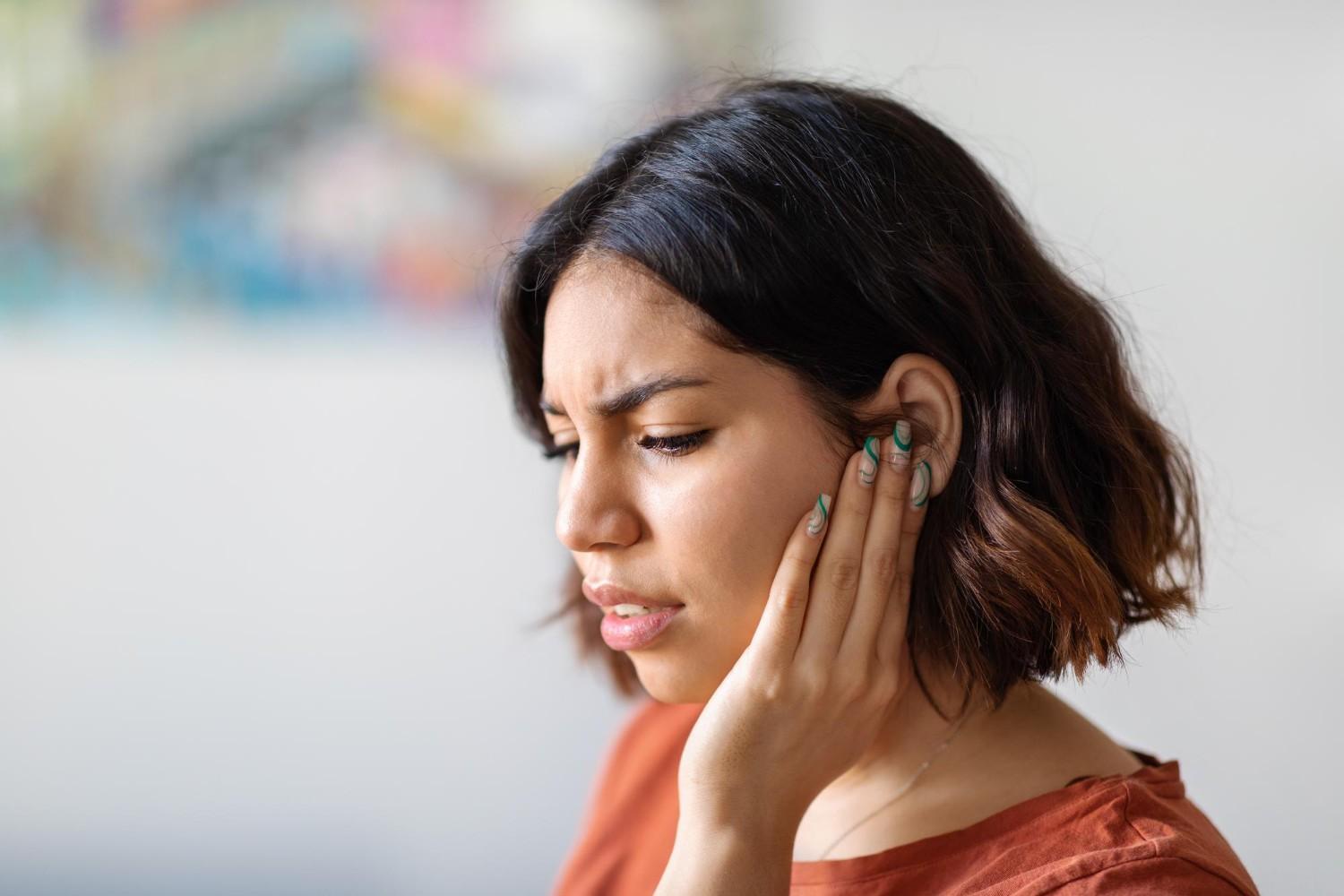







Having a swollen ear refers to the inflammation of the tissues or the auditory organs in your ear. It can be painful and can hinder your daily activities. Swell in ear can be internal or external, that is, it can occur inside, outside or behind the ear. Many factors come into play that eventually result in a swollen ear. When your ear is swelling, it is important to keep track of your symptoms and visit a doctor at the earliest to find out the cause and work out effective treatment options.
What Does It Mean When Your Ear Is Swelling?

Swell in ear is usually caused by allergies, infections or physical injuries. It can be temporary or permanent, depending on the cause and the degree of the damage. Temporary swelling can last for days to weeks and can be reduced with proper treatment. If left untreated for a very long time, you may develop serious ear health implications, which may be permanent. Internal ear swelling can be due to bacterial or viral infections or fluid buildup, whereas swelling behind ear or external swelling can be caused mostly by skin infections and is often temporary. In any case, if you experience discomfort while your ear is swelling, it is important not to panic and to consult a specialist as soon as possible to control your symptoms and treat it effectively.
What are the Types of Ear Swelling?
Swelling in ear can be of many types, depending on the affected area. It can occur in the pinna (outer ear), ear canal, or the area behind the ear (mastoid bone). Based on this, it can be categorised into many types:
- External ear swelling: It is the inflammation of the outer ear, such as the ear canal or pinna. It is usually caused by trauma or injury to the ear, which leads to a blood clot in the ear tissues.
- Internal ear swelling: Infections are most likely the cause of inflamed auditory organs, such as the eardrum.
- Swelling under ear: Usually occurs in the case of swollen lymph nodes or glands, which results in a visible bulge below the ear.
- Swelling behind ear: A bulge behind the ear often occurs when the mastoid bone is affected or due to swollen lymph nodes.
In case of a cyst or abscess, it is recommended to seek medical care immediately.
What are the Common Causes and Symptoms of a Swollen Ear?
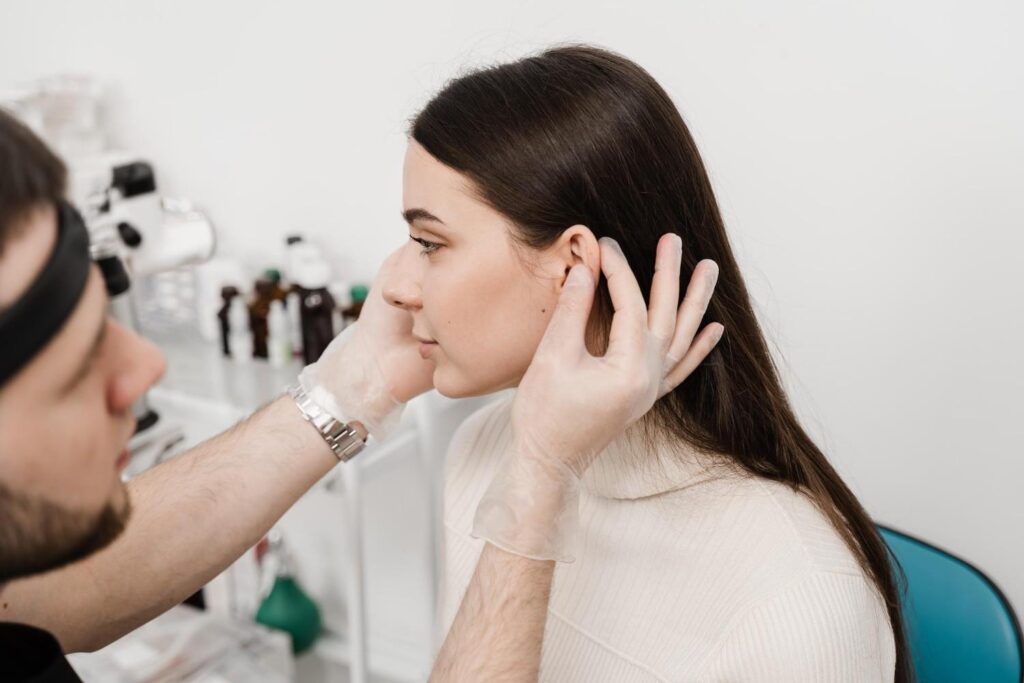
Educating yourself about the symptoms and causes of swollen ear is important to help with your recovery journey. The list is as follows:
- Infection of the External auditory canal due to moisture or bacteria
- Otitis externa, or swimmer’s ear, causing redness, irritation, and swelling
- Pain or tenderness when touching or pulling the ear
- A feeling of blockage or reduced hearing
- Itching, discharge, or warmth around the ear
Track your swollen ear symptoms to ensure your doctor has a clear picture to prescribe the best treatment option for you.
Swollen Ear Canal

The ear canal is one of the external auditory organs. A swollen ear canal is caused by inflammation in the ear canal, which can affect your hearing. One should not confuse an outer ear swelling with a swollen ear canal. Outer ear swelling occurs on noticeable parts of the ear, while a swollen ear canal is somewhat internal and may not be visible to the naked eye. It is usually examined with an otoscope to determine the degree of swelling, ensuring proper diagnosis. Some of the causes and symptoms include:
Common Causes:
- Bacterial or fungal ear infections
- Excess moisture from swimming or sweating
- Earwax buildup or blockage
- Minor injuries from cotton swabs or earbuds
Key Symptoms:
- Pain or tenderness when touching the ear
- Feeling that the ear is swelling or blocked
Itching inside the ear canal - Reduced hearing or muffled sounds
If you are experiencing any or all of these symptoms, consult a specialist at the earliest. You may be prescribed ear drops and medications, depending on your results. Avoid self-medication at any cost.
Swollen Outer Ear
It is relatively easier to notice when the outer part or the pinna of the ear is swelling. The following causes and symptoms may indicate a swollen outer ear:
Common Causes:
- Insect bites or allergic reactions
- Minor injuries or trauma to the ear
- Skin infections or cellulitis
- Ear piercings or irritation from jewelry
Key Symptoms:
- Redness and visible swollen ear
- Pain or tenderness around the ear
- Warmth or itching in the outer ear
- Skin tightness or mild throbbing sensation
A rapidly increasing inflammation, accompanied by severe pain or fever, may indicate serious underlying issues. Visit a doctor immediately in such cases.
Ear Lobes Swollen
The softer, cartilage part of the ear pinna is called the ear lobe. This part of the ear is more prone to swelling due to the presence of fatty tissue and no cartilage. Some of the causes and symptoms are:
Common Causes:
- Infected or irritated ear piercings
Allergic reactions to earrings or metals - Minor cuts, insect bites, or trauma
- Skin infections
Key Symptoms:
- Pain or tenderness in the earlobe
- Redness and visible swelling
- Pus or discharge from the piercing site
- Warmth around the swollen ear
usually swollen ear lobes go away on their own, but if the swelling persists for a longer period of time and the symptoms keep increasing instead, consult a doctor immediately.
Swollen Ear with Pain vs without Pain
A swollen ear may appear with or without pain, and this difference can help indicate the underlying cause. When the ear is swelling and painful, it often suggests infection or injury. Painless swelling may be linked to mild reactions or fluid buildup. Doctors often consider pain level while diagnosing the exact condition.
Type of Swelling | Possible Causes |
Swollen ear with pain | Ear infections, injuries, insect bites, inflamed cartilage |
Swollen ear without pain | Allergic reactions, fluid retention, benign cysts, mild irritation |
Pain or sudden swelling can be a red flag if it worsens quickly, spreads, or is accompanied by fever, hearing problems, or discharge. In such cases, medical evaluation is recommended.
What are the treatment Options for a Swollen Ear?

A swollen ear does not have a singular cause or symptom. It should be treated according to the underlying cause and the affected part. Be it a swell in ear or ear lobes swollen, relying on a professional is always the safer and best option.
Common Treatment Options:
- Antibiotic or antifungal ear drops for infections
- Pain relievers to reduce discomfort and inflammation
- Warm compress to ease swelling
- Cleaning the ear or removing excess earwax if needed
- Avoiding irritants such as certain earrings if ear lobes swollen
Use medications on time as prescribed, and ensure you do not skip or avoid them. Complete the duration it was prescribed for, even if your ear health returns to normal, until a specialist recommends otherwise.
When Should You See an Audiologist?
Your ear health matters as much as any other part of your body. If you sense any abnormality in hearing, such as ear pain, ear discomfort, swelling in ear, ear discharge, and many more, visit a specialist as soon as possible. While certain symptoms like mild irritation or ear lobe swelling may go away on their own, it is important to seek professional help. Be it swelling in the elderly or children, our specialist, Dr Jay Jindal at Audiology Planet, has years of experience in treating patients of all ages with utmost care.
Conclusion
Several reasons, such as infections, allergies, injuries, or irritation, may lead to symptoms, such as pain, redness, itching, or hearing discomfort. In such situations, it is better to avoid self-treatment and visit a specialist nearby without any delay. A swollen ear, when treated early, can avoid potential long-term deterioration of your ear health. Be sure to keep track of your hearing to protect your overall well-being.
Frequently Asked Questions
A swollen ear is usually diagnosed through a physical examination of the outer ear and ear canal using a special instrument called an otoscope. The doctor may check for redness, fluid, infection, or blockage. In some cases, hearing tests or additional evaluations may be recommended.
Recovery time depends on the cause of the swelling. Mild irritation or allergic reactions may improve within a few days, while infections may take about one to two weeks with proper treatment. Following prescribed medications and keeping the ear clean can help speed up recovery.
To reduce ear swelling, keep the ear clean and dry, avoid inserting objects into the ear canal, and apply a warm compress to relieve discomfort. Over-the-counter pain relievers may help reduce inflammation, but persistent swelling should be evaluated by a healthcare professional.
Preventing a swollen ear canal involves maintaining proper ear hygiene and avoiding excessive moisture. Dry your ears after swimming or bathing, avoid using cotton swabs inside the ear canal, and protect your ears from infections or injuries that could cause irritation and swelling.
In many cases, a swollen ear is caused by minor irritation or infection and improves with treatment. However, severe swelling, intense pain, fever, or hearing loss may indicate a more serious condition. If symptoms worsen or last several days, medical evaluation is important.
Early signs of an ear infection may include ear pain, a feeling of pressure inside the ear, mild swelling, itching, or temporary hearing difficulty. Some people may also experience redness or fluid discharge. Recognizing these symptoms early helps ensure timely treatment and relief.
Ear swelling is not always an emergency, but it can require urgent care if it is sudden, severe, or linked with symptoms like high fever, dizziness, severe pain, or hearing loss. In such cases, seeking prompt medical attention helps prevent complications and protects ear health.
Dr. Jay Jindal

Consultant Audiologist
Dr Jay Jindal, Consultant Audiologist, has 20+ years NHS and private experience.