





The Biggest Myths About Hearing Loss: Debunked by Audiologists
In the UK, we tend to treat our hearing like the Wi-Fi—we only really notice it when it stops working. Because you can’t “see” hearing loss, the conversation around it is often filled with outdated advice and half-truths. These hearing loss myths do more than just spread bad information; they actually stop people from getting help. Many wait years to book a test, and by then, they have missed out on the massive benefits of catching things early.
As experts, we believe it’s time to stop the guesswork. By tackling these common hearing loss myths head-on, we want to help you cut through the noise and get back to hearing the things you love clearly.
Myth 1: It is only something that happens to "old people"

One of the most stubborn hearing loss myths going around is that you don’t need to worry about your ears until you’re picking up your pension. That simply isn’t the case anymore. While age does play a part, a huge number of people dealing with hearing issues are actually in their 30s, 40s, and 50s. Whether it is from years of loud concerts, noisy construction sites, or just plain old genetics, the causes of hearing loss don’t care what is on your birth certificate.
Myth 2: "My GP would have told me if something was wrong"
It is a very common mistake to think a quick physical at the doctor covers your hearing. This is probably one of the most misunderstood myths about hearing loss. Your GP might use an O-Scope to see if you’ve got a bit of wax or a nasty infection, but they aren’t always equipped to run the kind of deep-dive diagnostic tests needed to find high-frequency loss. If you want proper Hearing Care, you really need to see a specialist who has the specific kit to test your full hearing range.
Myth 3: Hearing aids are clunky, beige, and they whistle
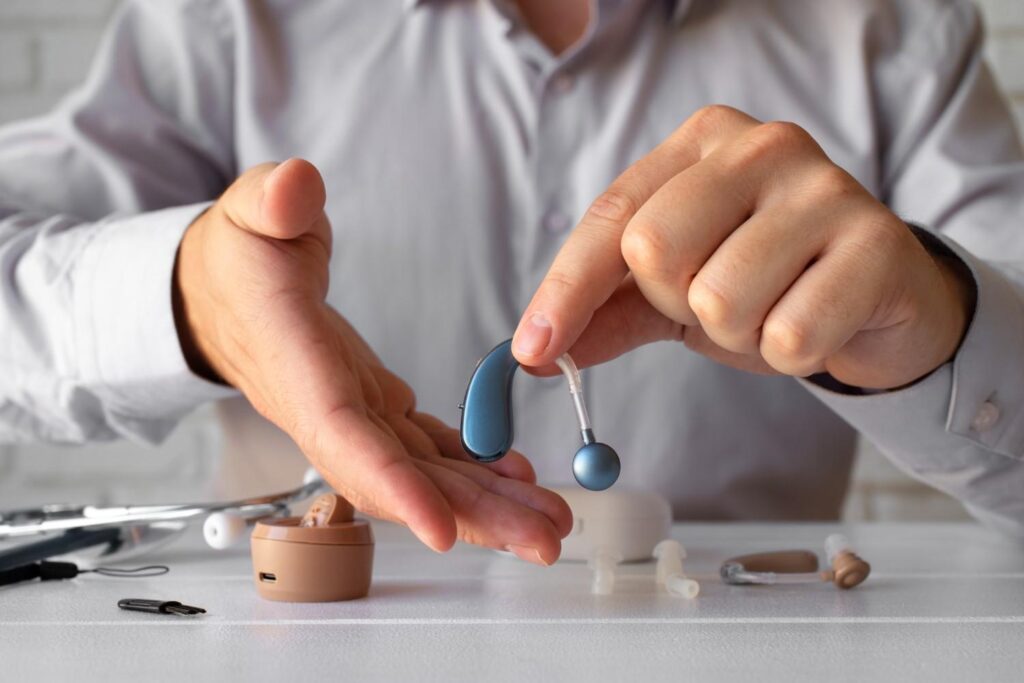
If you are picturing those massive plastic blocks from thirty years ago, you are falling for a classic hearing loss misconceptions. Modern tech has moved on. Most hearing aids and hearing loss solutions today are tiny, sleek, and practically invisible. They can even sync up to your phone to stream music or calls. They don’t whistle like they used to, and they certainly don’t make you look “old”—in fact, struggling to follow a conversation makes a loss much more obvious than a tiny bit of tech in your ear.
Myth 4: "I can still hear some things, so it can't be that bad"
Many people think that unless you are living in total silence, you don’t need help. This is one of the most persistent hearing loss myths. Most people lose their hearing gradually, usually starting with high-pitched sounds like birdsong or the voices of children. You might think people are “mumbling,” but it’s actually your ears losing the clarity needed to distinguish speech.
Myth 5: One "good" ear is enough to get by
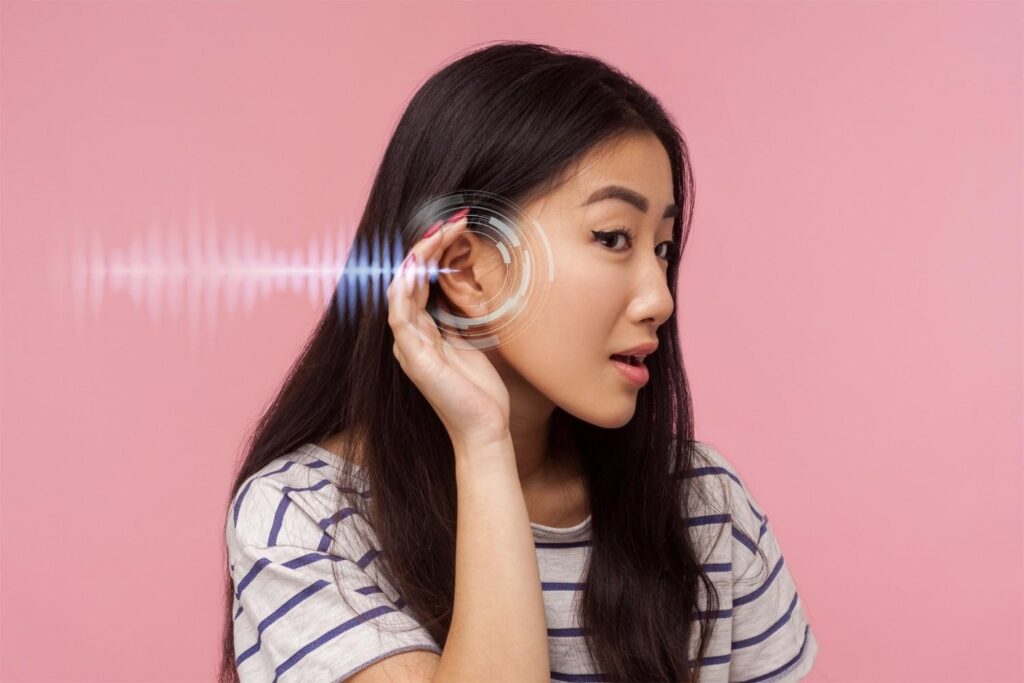
We often hear patients say they don’t need treatment because their “other ear is fine.” Unfortunately, this is one of those myths about hearing loss that can actually lead to safety issues. We have two ears so our brain can localise sound. Without balanced hearing, you might struggle to tell which direction an ambulance is coming from while driving or crossing a busy street.
Hearing Loss: Facts vs Myths
When you look at hearing loss facts vs myths, the evidence is quite startling. Living with untreated loss doesn’t just make life quieter; it makes it lonelier. People often withdraw from social situations because following a conversation in a busy pub becomes too much like hard work.
However, getting audiologist advice early can completely change that trajectory. At Audiology Planet, we find that once we clear up these hearing loss myths, patients feel a huge sense of relief. They realise that they aren’t losing their independence—they are just managing a very common health condition.
Common Questions We Hear in the Clinic (FAQs)
Q.1. Are the expensive hearing aids actually worth the extra money?
It is less about the price tag and more about the tech inside; the “best” one is the one that is tuned specifically for your lifestyle and ear shape.
Q.2. Can I just buy a cheap amplifier off the internet instead?
We really wouldn’t recommend it, as those just make everything louder—including the background noise—rather than clarifying speech.
Q.3. Does wearing a hearing aid make my ears "lazy"?
Not at all; it is actually the opposite—it keeps the “hearing” part of your brain active so it doesn’t forget how to process sound.
Q.4. Is there a real link between hearing loss and memory issues?
Yes, because the brain has to work so hard to “hear,” it has less energy for memory, which is why early intervention is so important for cognitive health.
Q.5. Can a bit of earwax actually cause permanent damage?
Usually, it is just a temporary block, but if you leave it too long and it causes a serious infection, that is when you can run into real trouble.
Final Thoughts
Don’t let hearing loss myths hold you back from enjoying life. Whether you are noticing a slight “muffle” in one ear or you are tired of asking people to repeat themselves, getting a professional opinion is the only way to know for sure. If you’ve been putting off a test because of a “myth” you heard years ago, it might be time to book in and see how much you’ve been missing.
If you also struggle with persistent noises in your ears, asking about Tinnitus Management during your check-up can be a life-changer.