




Why a “Normal” Hearing Test (Audiogram) Doesn’t Tell the Whole Story
Let’s get straight to it: a standard hearing test (audiogram) is important — but it doesn’t capture everything your ears and brain are doing. Relying on it alone is like diagnosing a car just by checking the speedometer.
At Audiology Planet, we go deeper. Because how you hear, understand, and use sound in real life isn’t always reflected in pure-tone numbers.
What is a Standard Hearing Test (Audiogram)?
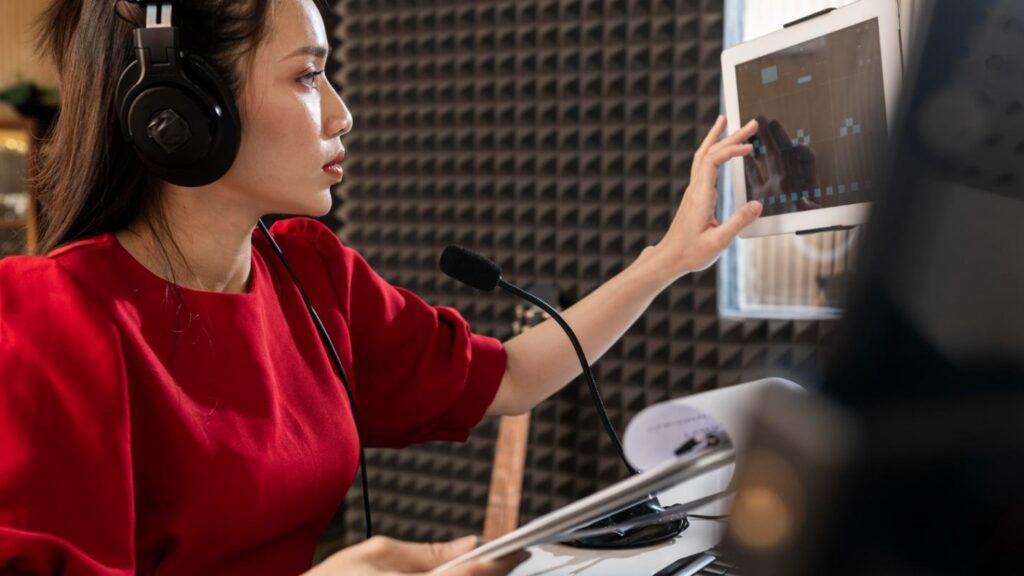
A standard hearing test (audiogram) measures the softest sounds you can hear at different pitches — from low rumbles to high chirps.
It’s extremely useful for:
- Detecting threshold changes (how quiet a sound you can hear)
- Identifying hearing loss in each ear
- Guiding medical referral when needed
But here’s the kicker:
Hearing thresholds do not always tell us how well you understand speech in noise — the real world. Real hearing isn’t just detecting tones. It’s processing them in context — in a grocery aisle, at a café, or in conversation with background noise.
Why Thresholds Aren’t Enough
Here’s where most people (and even some clinicians) get stuck.
An audiogram:
- Doesn’t assess speech understanding
- Doesn’t measure listening effort
- Doesn’t reflect real-world environments
- Can miss “hidden” hearing difficulties
That means someone can have a “normal audiogram” but still struggle to follow conversations in everyday life.
This is a documented clinical phenomenon — and it’s not rare. Terms like “hidden hearing loss” or cochlear synaptopathy describe cases where the audiogram looks fine, yet the person cannot follow speech in noise normally
How We Go Beyond the Audiogram

At Audiology Planet, we don’t stop at thresholds. We use multiple layers of assessment because each tells us something different about how your hearing system works.
1. Speech Screening (Subjective)
The simplest and most telling step:
You listen and respond to real speech — not just the tones.
We assess:
- Speech in quiet
- Speech in background noise
- Your own perceptions of difficulty
Why this matters:
Tone sensitivity doesn’t equal speech understanding. Evaluating speech perception gives us insight into functional hearing — what really affects your life.
2. Objective Speech Testing
Objective speech tests are standardised and controlled. They remove guesswork and bias.
Examples include:
- Speech-in-Noise Tests (like QuickSIN or BKB-SIN)
- Auditory closure based speech tests which indicate the ability to fill in the distorted or missing speech information in real time
- Word Recognition Scores (how accurately you identify words at set loudness levels)
These tests reveal:
- Signal-to-noise loss — how much background noise affects you
- Speech discrimination abilities
- Difficulties that pure tone audiometry cannot detect
There’s a strong evidence base showing speech-in-noise testing correlates with real-world hearing challenges and is more predictive of daily communication ability than pure tones alone.
3. Objective Physiological Tests
Sometimes the ears and brain are functioning differently than thresholds would imply.
We use tests such as:
- Otoacoustic Emissions (OAE) — checks how well the outer hair cells in your cochlea are working
- Tympanometry — checks middle ear function
- Auditory Brainstem Response (ABR), if indicated — checks neural timing
These measures detect cochlear and neural dysfunction even when audiometric thresholds are normal.
Putting It All Together: A Complete Hearing Profile
When we combine:
Pure tone audiometry + speech tests + objective measures + your history and complaints, we get a complete profile.
From that, we can make a precise clinical decision.
What We Can Do With a Complete Hearing Profile
Based on a thorough assessment, we might recommend:
1. Monitoring
If hearing is stable, thresholds are unchanged, and speech understanding is normal — we monitor rather than intervene.
2. Auditory Training
Evidence shows auditory training can improve speech-in-noise understanding, listening effort, and cognitive engagement
It’s not a substitute for hearing technology — it’s a complement.
3. Hearing Technology
When your hearing profile shows:
- Reduced thresholds,
- Poor speech in noise,
- And a measurable functional deficit,
…hearing technology (what we call hearing instruments or hearing devices or hearing aids) can make a meaningful difference in active listening situations.
The choices are not “wear a device” vs “don’t wear one.”
They are tailored solutions based on precise functional need.
Why This Matters
You deserve a hearing solution based on function, not just numbers.
An audiogram alone:
- May miss the problem entirely
- May underestimate its impact
- May lead to the wrong recommendation
But a complete hearing profile tells us:
- Where you struggle
- What actually affects your hearing in daily life
- What intervention will give you the best outcome
That’s precision care. And that’s how we do it.