




Clinical
Business
Ear Products
Get in touch
We are here to answer any question you may have. Feel free to reach via contact form.
London
United Kingdom
Email: info@audiologyplanet.com
Phone: (+44) 0330 2233 453, 07543664692
Clinical
Business
Ear Products
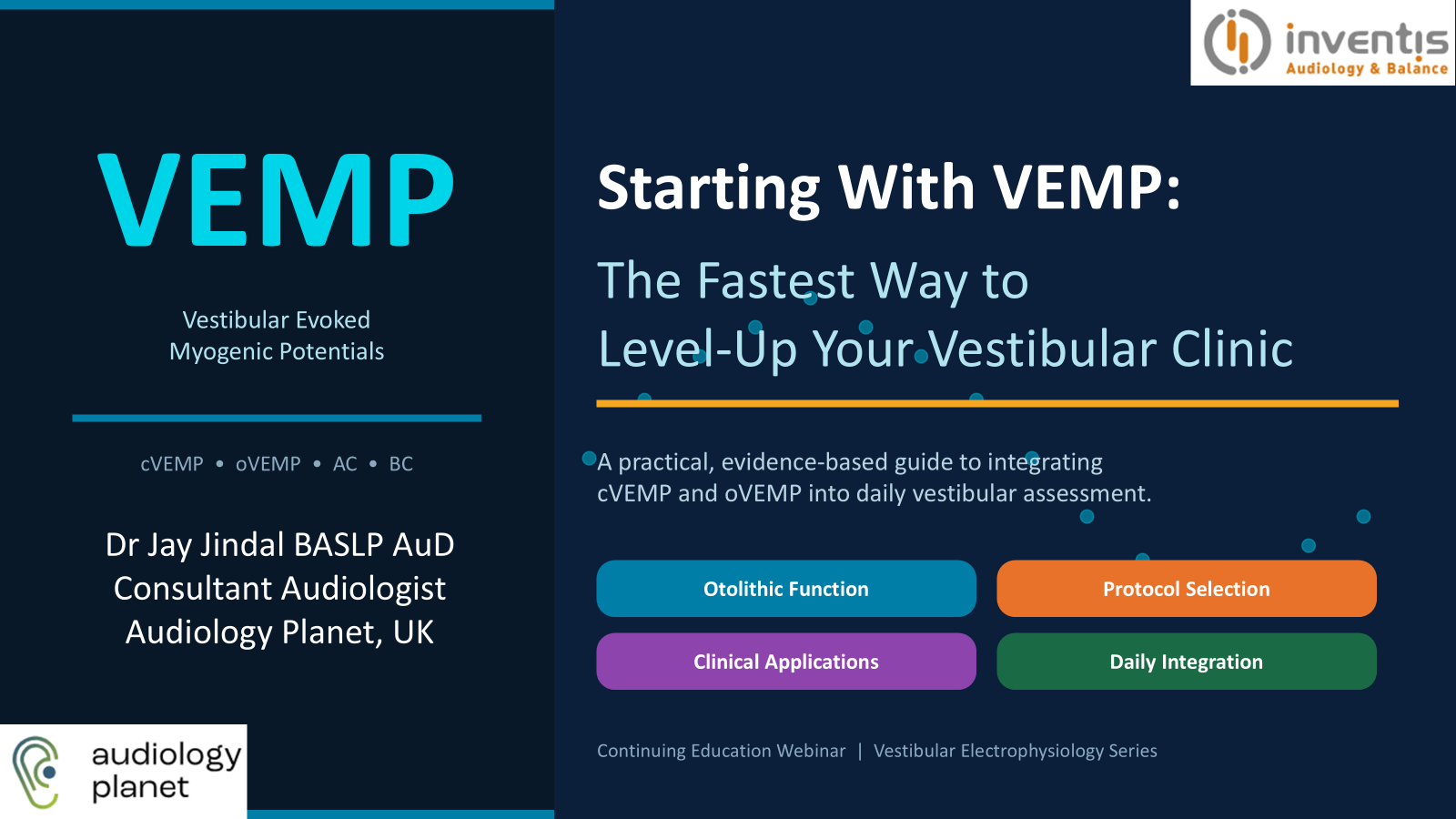
It was a real pleasure to present last week’s Inventis webinar, where Inventis encouraged me to step up and share my work on a global stage.
We had over 200 attendees from more than 50 countries—an incredible turnout that reflects the growing interest in advancing balance assessment and vestibular care worldwide.
The session focused on an important but often overlooked area: otolith organ testing via VEMP. Traditionally, clinical vestibular testing over last few decades has largely centred around semicircular canal function using calorics and VNG. While these remain valuable, they leave a significant diagnostic gap.
New research and objective tools are now changing the game.
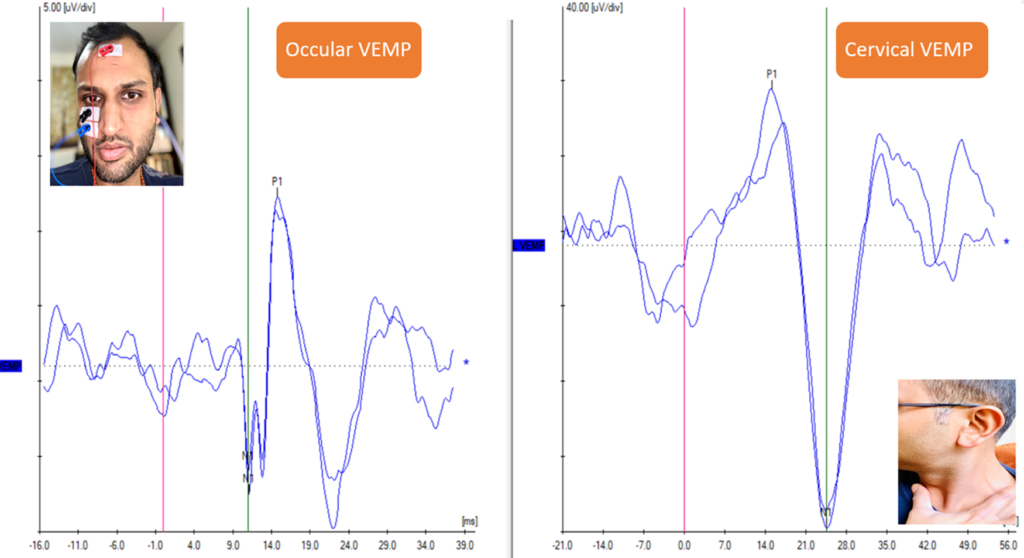
Video Head Impulse Testing (vHIT) allows us to assess all six semicircular canals—lateral, anterior, and posterior—with precision, helping identify angular acceleration deficits that are frequently missed in routine testing. Alongside this, Vestibular Evoked Myogenic Potentials (VEMP) enable rapid, clinic-friendly assessment of otolith function within minutes.
Together, these technologies provide a far more complete picture of vestibular pathology—from Ménière’s disease to vestibular neuritis and beyond.
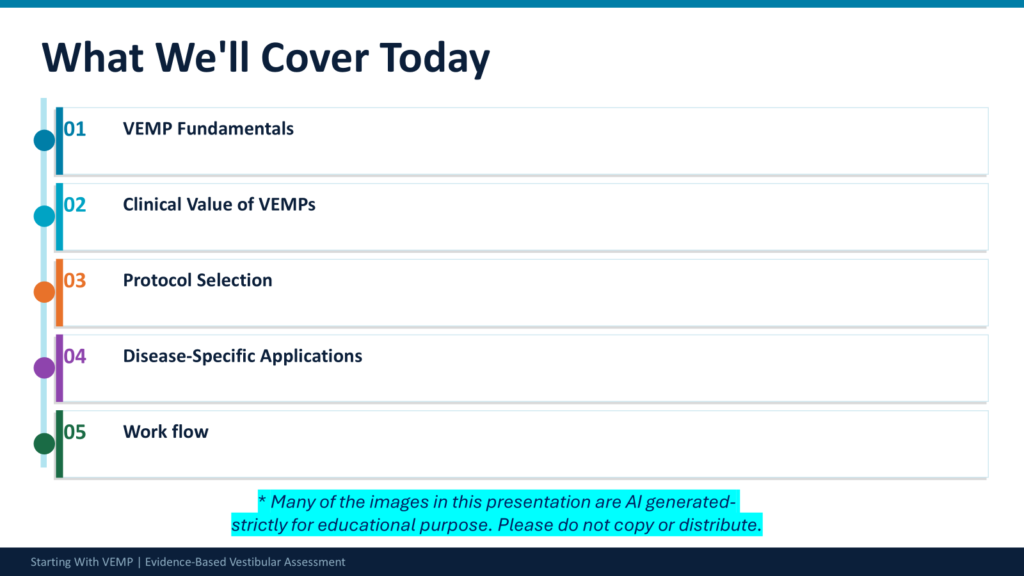
In the webinar, I explored the origins of different VEMP tests, how they are conducted, and how we integrate them into clinical practice to deliver a comprehensive balance service in a clinically effective way.
This is an exciting time for vestibular diagnostics, and integrating these tools into routine care is a significant step forward—not just for clinicians, but for patient outcomes.
Grateful to Inventis for the invitation. Looking forward to the next one.
Also read related article: Vestibular Migraine: Symptoms, Diagnosis and Treatment
For comprehensive vestibular/dizziness investigations in Sevenoaks, Tunbridge Wells and London.

We use cookies to improve your experience on our site. By using our site, you consent to cookies.
Manage your cookie preferences below:
Essential cookies enable basic functions and are necessary for the proper function of the website.
Statistics cookies collect information anonymously. This information helps us understand how visitors use our website.
Google Analytics is a powerful tool that tracks and analyzes website traffic for informed marketing decisions.
Service URL: policies.google.com (opens in a new window)
SourceBuster is used by WooCommerce for order attribution based on user source.
Adding {{itemName}} to cart
Added {{itemName}} to cart