



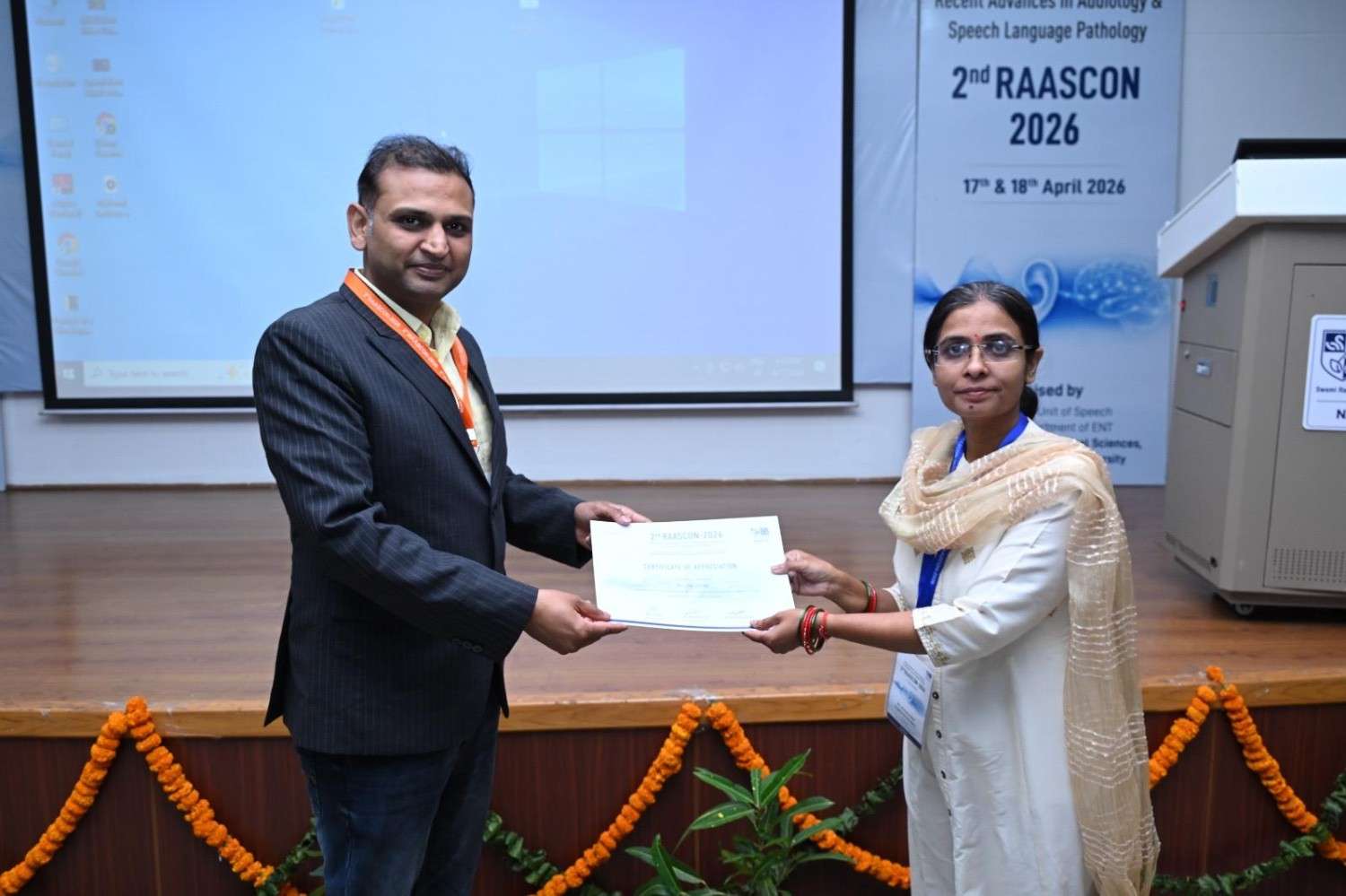
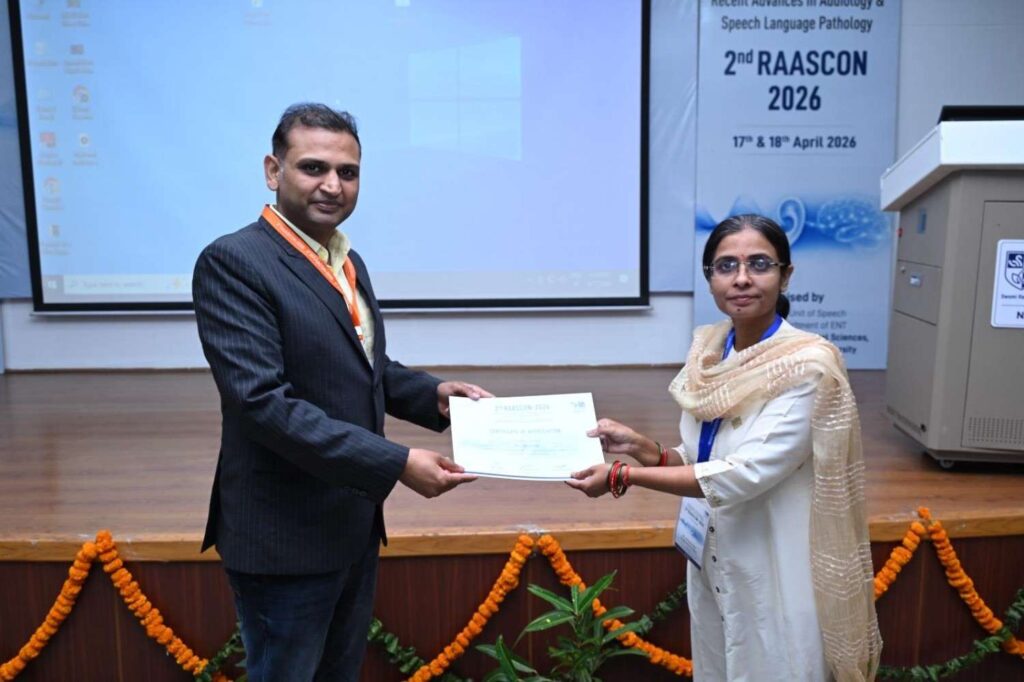
Lecture at Jolly Grant, Dehradun
It was a genuine pleasure to be invited to speak at Jolly Grant Hospital in Dehradun, India. I was really honored, especially since this is one of the biggest hospitals in the area where my parents live now. Moments like these carry a personal significance that goes beyond professional milestones.
It’s always nice to be recognized by your own community, but the real value of experiences like this is elsewhere. For me, it’s about changing the minds of engaged, forward-thinking professionals—people who will shape how patients are cared for in their own clinics. These talks have effects that go beyond the classroom and affect the lives of patients all over the audiology field.
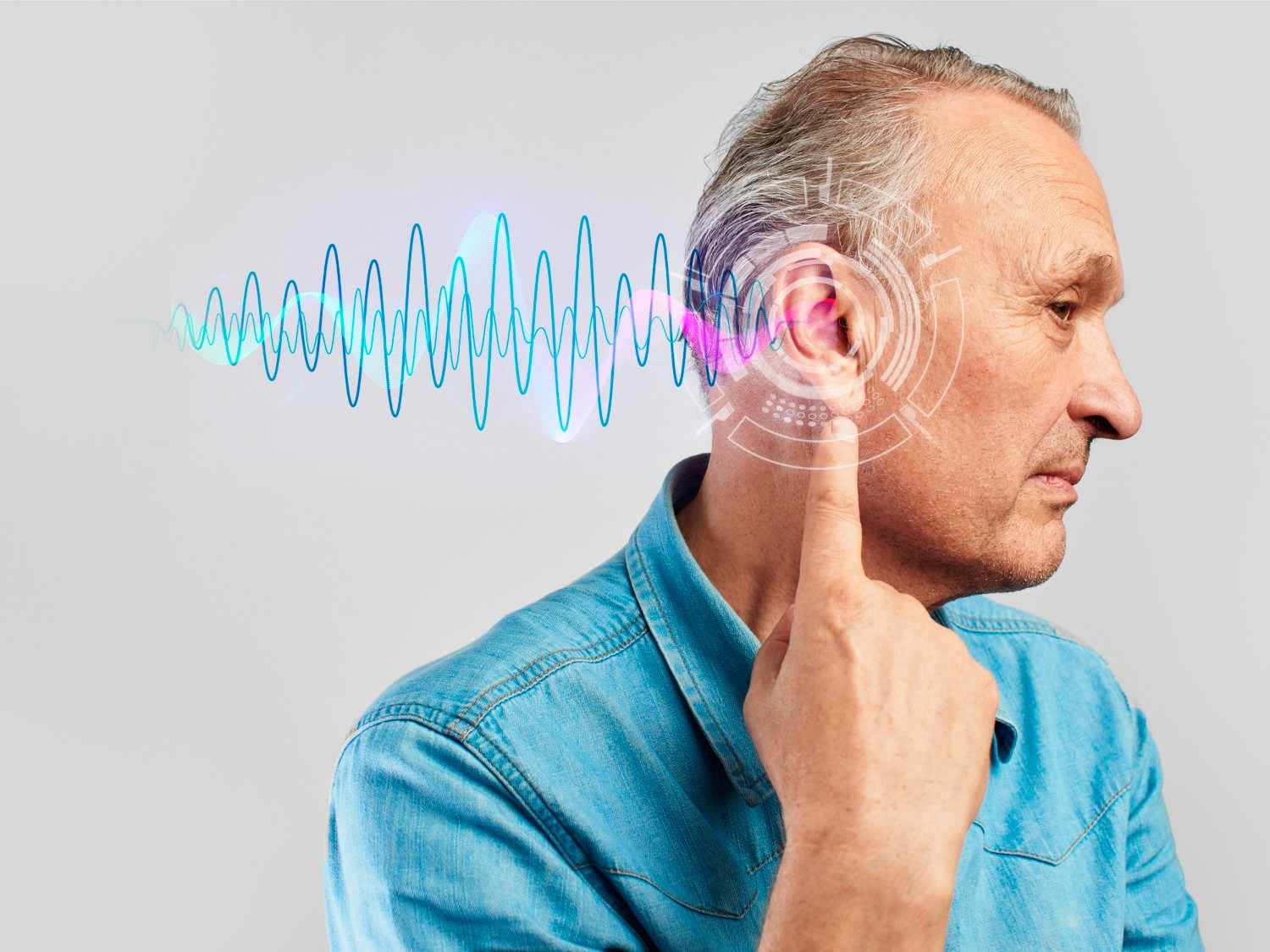
My session focused on tinnitus management—often considered one of the more challenging topics in audiology. As one colleague remarked beforehand, “you’ve got the toughest topic to talk about.” And rightly so. With approximately one in six people experiencing tinnitus, it’s a condition that touches nearly every family or social group.
I talked about tinnitus as one of the most rewarding areas of clinical practice when done with the right framework. I stressed how important it is to use evidence-based practice and made sure that all of our conversations were based on scientific rigor instead of personal stories. We talked about when it is right to refer someone for more medical care, as well as a lot of management strategies that work in practice and in the clinic.
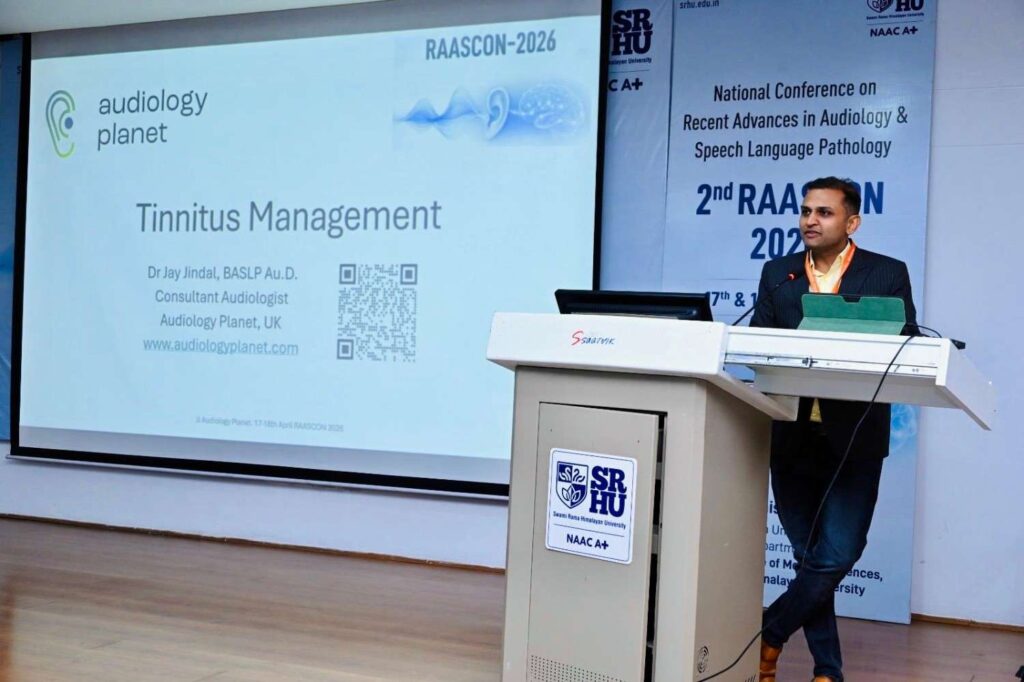
These included counselling, sound enrichment, cognitive behavioural therapy with mindfulness, and emerging technologies such as Lenire, which is showing promising evidence. We also discussed the role of amplification where hearing loss is present, and how adherence to National Institute for Health and Care Excellence (NICE) guidance has helped shape high-quality tinnitus care pathways in the UK and beyond.
An important part of the session focused on the underlying physiology—particularly the role of the autonomic nervous system, and how sympathetic and parasympathetic responses influence the perception and distress associated with tinnitus. Understanding this helps clinicians deliver more targeted and effective care.
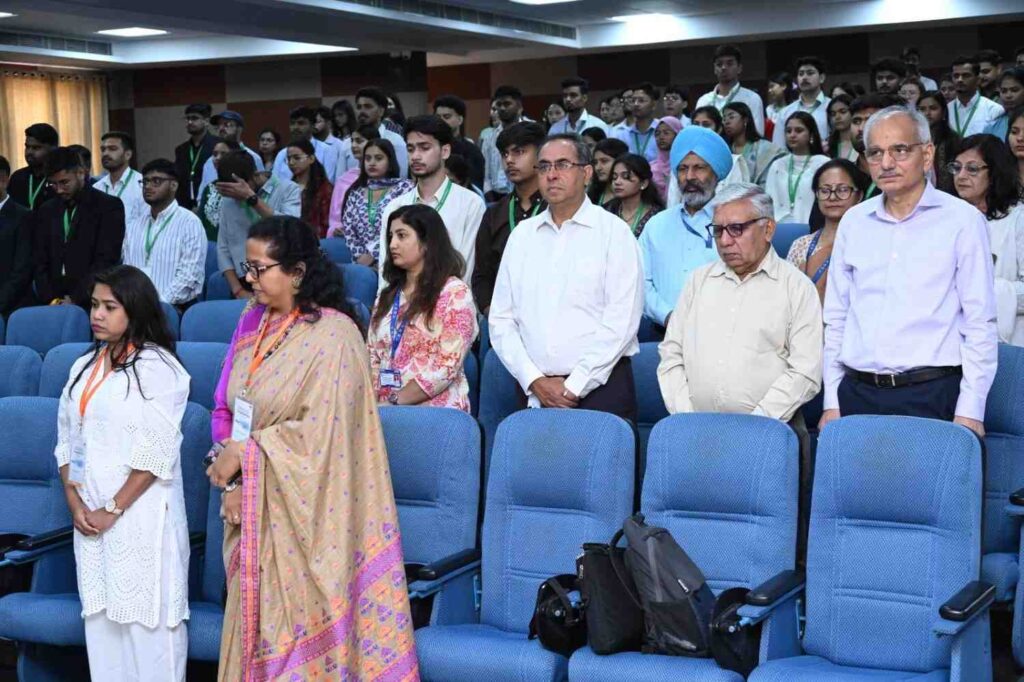
The event itself was exceptionally well organised, and I’m grateful to the team for their hospitality and attention to detail throughout.
It was a busy and fast-paced visit, but one that I found deeply rewarding. If even a fraction of the ideas shared during this session translate into improved patient care, then it has been time very well spent.
At Audiology Planet, this is exactly what we strive for—bringing evidence-based, patient-centred tinnitus care into everyday clinical practice.