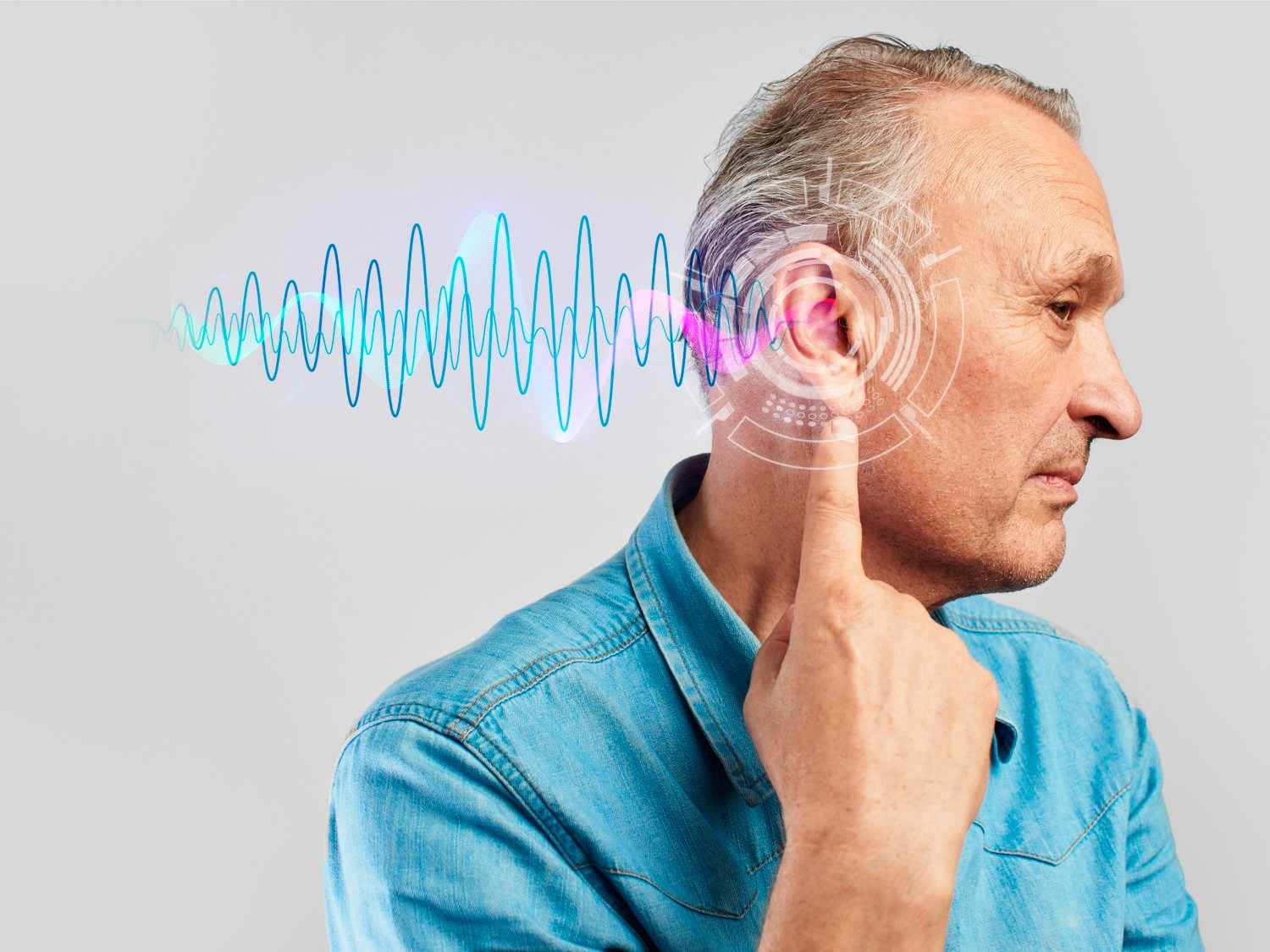




Hyperacusis is a rare hearing disorder in which sounds normally seem uncomfortably and often unbearably loud.
Hyperacusis is a hearing condition in which normal sounds are perceived as much louder than they actually are. Many people feel discomfort, pain, anxiety, or a desire to avoid noise.
What is Hyperacusis?
Hyperacusis is a hearing condition in which normal sounds are perceived as much louder than they actually are. people feel discomfort, pain, anxiety, or a desire to avoid noise. It’s also called decreased sound tolerance, or DST.
People typically experience a range of sounds with varying degrees of loudness. But people with hyperacusis generally experience sound at a volume that’s too high.
Some examples of common sounds in everyday life that may feel intolerable to someone with this condition include:
- Chit chat of the people
- A car engine running
- Ringing or buzzing sound.
- Someone turning the pages of a book
- Many other soft sounds
This experience can impact your mental health. It can make you feel irritable and anxious. This condition can also affect your social life.
Symptoms of Hyperacusis:
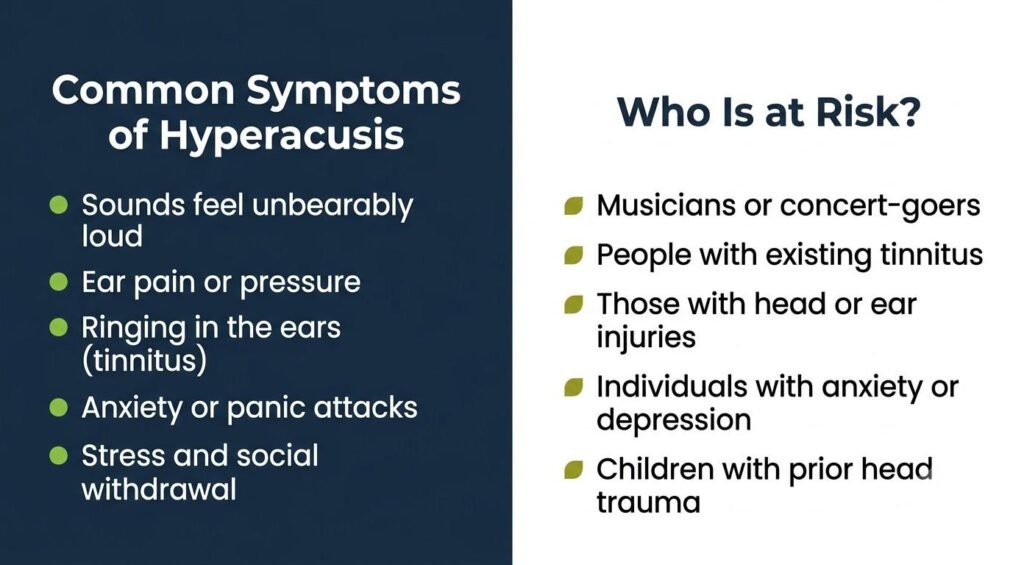
Hyperacusis symptoms can vary from person to person. Some may experience mild sensitivity, while others can struggle with daily activities. This condition may cause you to experience regular/everyday sounds as uncomfortable, unbearably loud, or painful.
Some other symptoms may include:
- Ringing in your ears
- Pain in your ear
- A feeling of fullness or pressure in your ears
- Discomfort
- Stress
- Panicking
- Anxiety attacks.
Causes of Hyperacusis:
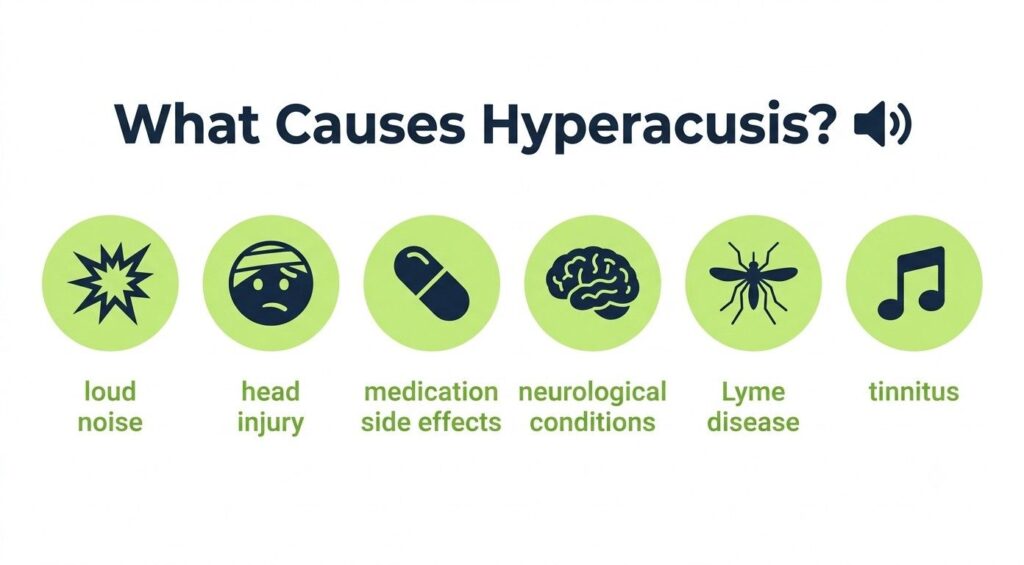
The exact cause is difficult to identify. However, several causes of hyperacusis have been identified. Experts have found that it is linked with many conditions. It’s especially common in people with tinnitus. Almost half of the people with hyperacusis also have a health condition, like anxiety or depression.
Possible causes include the following:
- Exposure to loud noises such as explosions or concerts
- Long-term workplace noise exposure
- Head injuries
- Ear injuries
- Tinnitus
- Migraines
- Lyme disease
- Ramsay Hunt syndrome
- Certain medications that affect hearing
- Neurological conditions
Some people experience more than one type of these causes at the same time.
Types of Hyperacusis:
Loudness Hyperacusis | Decreased Sound Tolerance (DST) | Every day sounds feel much louder than they are. The most common type. |
Pain Hyperacusis | Noxacusis | Normal sounds cause physical pain, aching or burning in the ears. |
Annoyance Hyperacusis | Misophonia | Certain sounds trigger intense emotional reactions – anger, disgust or distress. |
Fear Hyperacusis | Phonophobia | Sounds cause anxiety or fear, often leading to avoidance of situations involving noise. |
Hyperacusis has different types. The doctor tests the patient to identify the type of hyperacusis the patient is experiencing.
Risk Factors for Hyperacusis:
The following are the factors that increase the risk of hyperacusis:
- Long-term exposure to loud noises: You are at risk if you are exposed to loud sounds for long periods, such as if you are a musician or owner of clubs, restaurants, etc.
- Exposure to loud noise: You may develop tinnitus after hearing a sudden loud noise.
- Previous ear or head injuries: If you have had a head injury or ear injury, then you are at high risk
- Existing tinnitus: You are already suffering from Tinnitus, so you are at risk of hyperacusis
- Anxiety or trauma: Anxiety during surgery or because of a head injury can increase your risk.
Children may also experience hyperacusis, particularly those who have had a head injury in the past.
Complication of Hyperacusis:
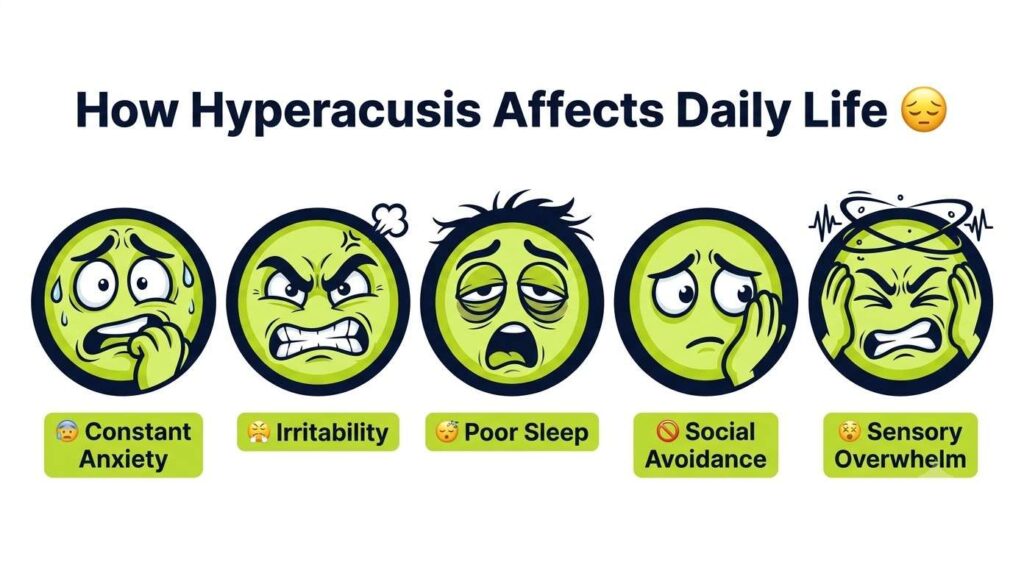
The symptoms of hyperacusis can impact your mental health and social life. Living with hyperacusis can affect your daily life. The constant experience of feeling overwhelmed with intense, unpleasant sounds can lead to:
- Stress and anxiety due to sound exposure
- Social isolation and avoidance.
- Difficulties in the world.
- Cannot concentrate on any task
- Disturbance in sleep.
These are some common challenges that can be treated. Many people have regained their confidence and improved their lives.
Diagnosis and Tests
How doctors diagnose this condition:
If you think you are suffering from hyperacusis, then you should immediately speak to your doctor. You also need to see a specialist for this problem, such as an otolaryngologist (ENT), neurotologist, or audiologist.
Diagnosis may involve:
- Hearing tests: In addition to a hearing test, your provider may check your loudness discomfort level (LDL)
- Lab Tests: The doctor will recommend lab tests to evaluate hyperacusis, including Lyme disease testing.
- Questionnaires: You have to fill out a questionnaire about how sensitive you are to various noises.
- Imaging Test if necessary: The doctor may suggest an imaging test if required.
- Tests that check your ears: Your doctor may recommend tests to check the parts of your ear for damage.
Management and Treatment of Hyperacusis
How is it treated?
Currently, there is no single cure for hyperacusis. But many people experience constant improvement with professional care and treatment. Your doctor will suggest therapies to reduce your symptoms. Some treatments include the following:
- Sound Therapy: The treatment will expose you to louder sounds. First, you hear sounds at a low intensity level. Then the volume will increase slowly, so you get used to louder sounds over time.
- Cognitive behavioral therapy: CBT teaches you to deal with the negative feelings associated with loud sounds. We have seen that CBT improves loudness discomfort levels in adults with hyperacusis.
- Surgery: If you have hyperacusis due to the facial nerve, surgery may help.
Management and Treatment of Hyperacusis
Do | Avoid |
Practice relaxation techniques such as deep breathing or gentle mindfulness | Wearing earplugs or ear defenders all the time- this increases sensitivity |
Gradually expose yourself to low-level, everyday sounds | Avoiding all noisy situations- it reinforces fear and isolation |
Maintain a regular sleep routine- fatigue makes symptoms worse | Using hearing protection in quiet or normal environments |
Speak to your GP or audiologist before starting a self-management program. | Self-treating with supplements or unproven devices without professional advice |
Living with Tinnitus and Hyperacusis
In many cases, tinnitus and hyperacusis co-occur. Many people who experience hyperacusis also notice buzzing, ringing, and humming sounds in the ear. It is very difficult to live with both problems; it feels exhausting, every day feels stressful, and social situations may seem difficult.
Some support is available for patients facing these problems, such as regular counselling, support groups, hearing products, NHS services, etc.
How Long Does Hyperacusis Last?
The time to heal depends on the patient’s condition. Experts are still searching for the long-term effects of hyperacusis. Some people get symptom relief once they get treatment for the condition. But for many people, it is a long-term condition.
Even when you do not see any improvement, you should still go for therapy. Therapies can improve the patient’s symptoms and condition.
In children, improvement often occurs naturally as they grow. In a report, children recover more quickly than adults.
When Should You See an Audiologist?
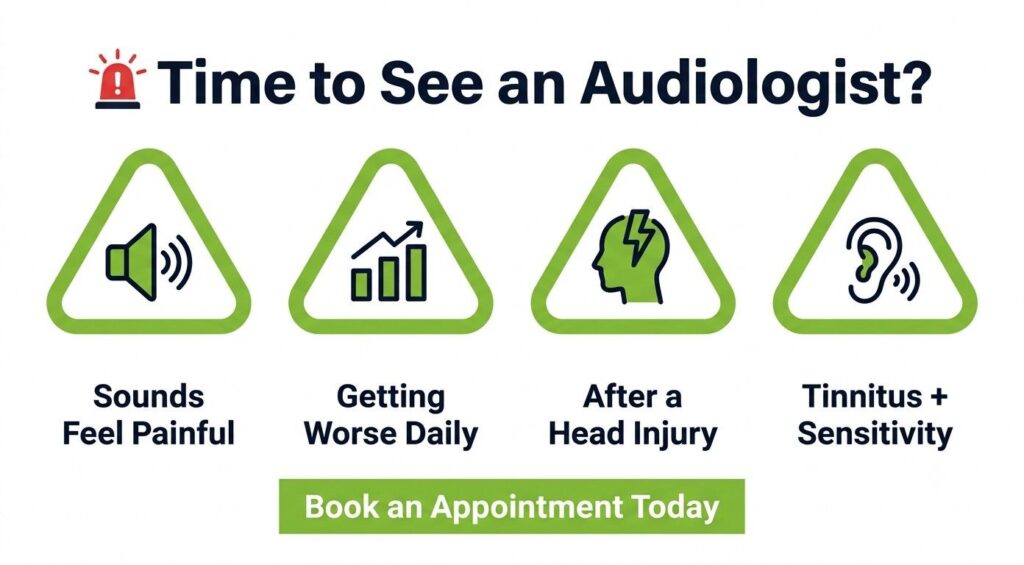
There are various situations when you should see the doctor.
You should see an audiologist when you hear noises regularly, the noise is unbearable, too loud, and painful; symptoms began after a head injury, experience tinnitus and hyperacusis; and your condition is getting worse every day.
Frequently Asked Questions
Not really, currently there is no guaranteed cure for hyperacusis. But many people are experiencing regular improvements through therapy, professional treatment, and counseling.
Some common causes of hyperacusis are exposure to loud noises, head injuries, ear injuries, tinnitus, and migraines.
You can treat Hyperacusis at home by gradual sound exposure, relaxation, good sleep, stress management, etc.
The four types of hyperacusis are pain hyperacusis, loudness hyperacusis, fear hyperacusis, and annoyance hyperacusis.

Consultant Audiologist
Dr. Jay Jindal
Dr. Jay Jindal, Consultant Audiologist, has 20+ years NHS and private experience.